
Volunteering with Respect, Care ♡
Responsible Sea Turtle Volunteering in Sri Lanka
At Ahungalla Sea Turtle Conservation Project, we believe volunteering with sea turtles should always be responsible, honest, and conservation focused, as turtles are wild animals that must be protected and never treated as entertainment or photo props. Our approach is designed for ethical volunteers, especially those from Europe, who want to support real conservation, following one simple principle: the welfare of sea turtles must always come first.
What Responsible Volunteering Means
Responsible volunteering means helping in a way that supports sea turtles, respects nature, and follows proper project guidance.
It is not about doing only the exciting tasks. It is not about touching turtles, taking photos, or expecting baby turtle releases every day.
Real sea turtle conservation includes many practical activities. Volunteers may help with beach cleaning, project maintenance, visitor education, awareness work, turtle care support where appropriate, simple record keeping, and learning sessions.
Some days may be active. Other days may be quiet and focused on cleaning, education, and preparation. This is part of real conservation work because nature cannot be controlled. A responsible volunteer understands this and joins with patience, respect, and a willingness to help.
Our Conservation First Promise
Why Ethical Wildlife Volunteering Matters
Wildlife volunteering can be very powerful when it is done correctly. It can support conservation work, educate visitors, help local communities, and inspire people to care more about nature.
But wildlife volunteering can also become harmful when animals are used mainly for tourist experiences.
Sea turtles are sensitive animals. Hatchlings, nesting turtles, injured turtles, and turtles under care should all be treated carefully. Too much handling, bright lights, loud noise, forced interaction, and staged release activities can create stress and reduce the value of real conservation.
Ethical volunteering helps avoid these problems. At Ahungalla Sea Turtle Conservation Project, we want volunteers to learn the right way to support turtles. We want every person who joins us to understand that conservation is about responsibility, not entertainment.
Responsible Volunteer Rules
Wildlife and Turtle Care Rules
- Do not touch turtles unless the project team clearly gives permission
- Do not pick up hatchlings for photos
- Do not disturb nesting turtles
- Do not use flash photography around turtles
- Do not make loud noise around turtle care areas
- Do not feed turtles unless guided by the team
- Do not enter care areas without permission
- Do not ask for staged turtle releases
- Do not handle eggs, nests, or hatchlings without guidance
- Always follow staff instructions
Project Behaviour Rules
- Be respectful to the local team
- Be kind to other volunteers and visitors
- Be patient when activities change
- Keep the project area clean
- Respect local culture and community
- Use water and resources carefully
- Avoid single use plastic where possible
- Be honest in photos, videos, and social media posts
- Report any problem to the project team
- Help create a calm and caring environment
No Touching Policy Where Applicable
Many visitors and volunteers want to touch sea turtles because they love animals, but loving animals also means knowing when not to touch them, as unnecessary touching can disturb turtles, create stress, and send the wrong message to visitors, especially since hatchlings are delicate and should not be handled for photos or entertainment. At Ahungalla Sea Turtle Conservation Project, touching is not encouraged as a normal visitor or volunteer activity, and if any handling is needed for care, cleaning, safety, or project work, it must only be done under the guidance of the local team.
Our message is simple: observe with respect, learn with patience, help with care, and do not treat turtles as toys or photo props, as this approach protects sea turtles and helps visitors understand responsible wildlife behaviour.
No Flash Photography Around Turtles
Flash photography can disturb turtles, especially at night or during sensitive moments, and it can also create stress and confusion for hatchlings, which is why we do not allow flash photography around turtles. Volunteers and visitors may be allowed to take photos in suitable areas, but only when it does not disturb the turtles and only under project guidance.
Photo guidelines include no flash photography, no forcing turtles into photos, no picking up hatchlings for pictures, no crowding around turtles, no loud behaviour during photography, no misleading social media content, and always asking the project team before taking close photos. Responsible photos should educate people, not promote harmful animal interaction.
Responsible Hatchling Release Policy
Hatchling release is a sensitive conservation activity and should never be treated as a tourist show, as sea turtles follow nature and release depends on nesting season, natural hatching time, weather, beach safety, and project guidance. At Ahungalla Sea Turtle Conservation Project, we do not guarantee hatchling releases for volunteers, visitors, donors, birthdays, or group visits, but when hatchlings are naturally ready and conditions are safe, the project team will handle the release responsibly.
Our hatchling release rules include no guaranteed baby turtle releases, no staged releases for tourist entertainment, no forced releases for photos or videos, no exact birthday date release promises, no unnecessary handling of hatchlings, no flash photography, no crowding around hatchlings, and release only when nature and safety conditions allow, always placing turtle welfare first. This policy helps protect hatchlings and keeps our project ethical.
Honest Expectations for Volunteers
Responsible volunteering begins with honest expectations.
Some people imagine sea turtle volunteering as spending every day with turtles, releasing hatchlings, or taking close photos. Real conservation is different.
Volunteers should understand that daily activities depend on nature and project needs.
Volunteers May Help With
- Beach cleaning
- Project cleaning and maintenance
- Visitor education
- Awareness activities
- Turtle care support where appropriate
- Learning sessions
- Preparation work
- Supporting responsible project activities
- Helping spread conservation messages
Volunteers Should Understand
- Turtle activity cannot be guaranteed every day
- Hatchling releases cannot be promised
- Some days may be quiet
- Cleaning and maintenance are important work
- Education is part of conservation
- Wildlife must not be forced for visitor experiences
- Patience and flexibility are very important
- This honesty helps attract the right volunteers and creates a better project experience.
Ethical Volunteering for European Travellers
Many European travellers are very aware of animal welfare, sustainability, and responsible travel, and they prefer to avoid harmful wildlife tourism while supporting honest and ethical projects. Ahungalla Sea Turtle Conservation Project is suitable for volunteers who care about these values and want to support conservation responsibly, learn about sea turtles in Sri Lanka, avoid harmful animal tourism, help with practical daily tasks, join beach cleaning and awareness work, understand local conservation challenges, travel in a more meaningful way, and support a local Sri Lankan project.
We welcome volunteers from the United Kingdom, Germany, France, Netherlands, Belgium, Italy, Poland, Spain, Sweden, Denmark, and other countries who want to help with respect and purpose.
Responsible Shark Conservation Volunteering
Responsible shark conservation volunteering means supporting sharks through education, awareness, beach protection, and respect for marine wildlife, not through dangerous interaction, shark handling, feeding, catching, or staged wildlife experiences. Volunteers should speak about sharks respectfully and avoid promoting them as monsters or using fear based content, instead helping people understand that sharks are important marine animals and part of healthy ocean ecosystems.
Shark conservation volunteer rules include: do not catch, handle, feed, or disturb sharks, do not promote unsafe shark interaction, do not create fear based shark content, do not support shark trade or shark finning, use respectful and educational language, support beach cleaning and pollution reduction, share accurate conservation messages, and follow project guidance at all times.
What Responsible Volunteers Should Bring
Responsible volunteering is not only about what you do at the project, but also about your attitude.
A good volunteer brings respect for animals, patience with nature, willingness to clean and help, interest in learning, flexibility when plans change, kindness toward local people, care for the environment, honest communication, a positive mindset, and an understanding that conservation is not entertainment. If you come with the right mindset, your experience will be more meaningful.
Responsible Social Media Sharing
Many volunteers and visitors love sharing their experience online, and we welcome positive awareness, but social media content must be responsible as photos and videos should help people understand conservation, not encourage harmful behaviour.
Social media guidelines include sharing educational messages, avoiding photos that show careless handling, not posting misleading release claims, not saying you personally own or control a turtle, not encouraging others to touch turtles, not using flash or staged content, respecting project guidance before posting close turtle content, and using your platform to promote responsible conservation. Good content can help the project reach more volunteers, donors, and ethical travellers.
How Responsible Volunteering Helps Sea Turtles
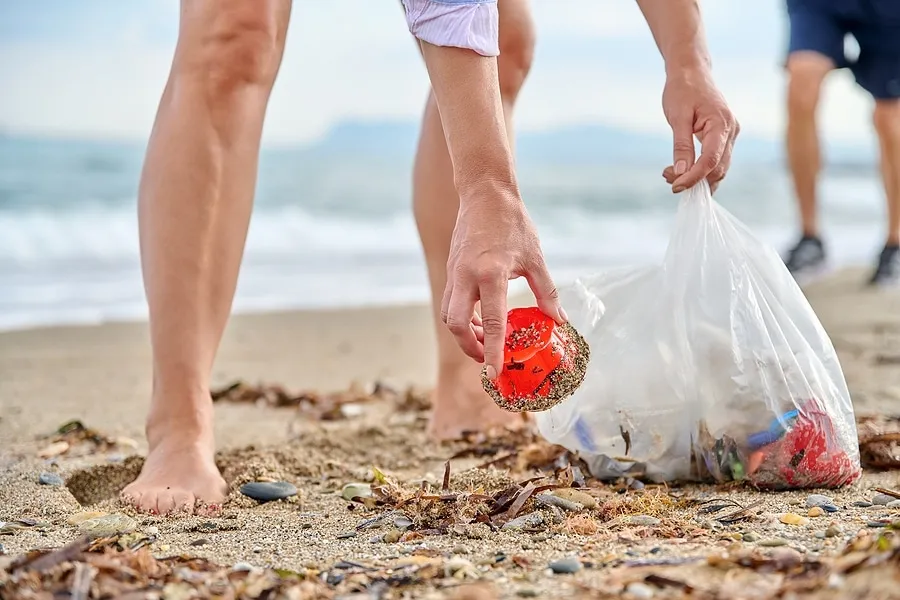
Helping Keep Beaches Clean
Cleaner beaches reduce risks for turtles, hatchlings, and other marine life.
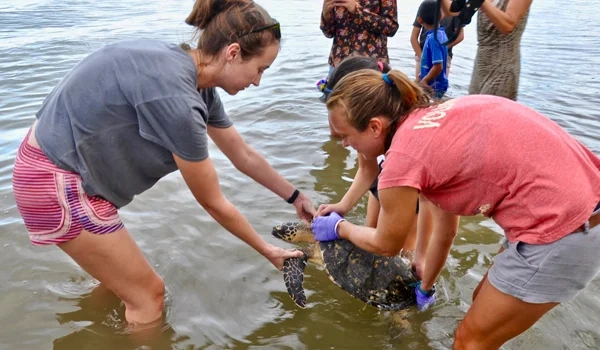
Supporting Education
Volunteers can help visitors understand turtle conservation and responsible behaviour.
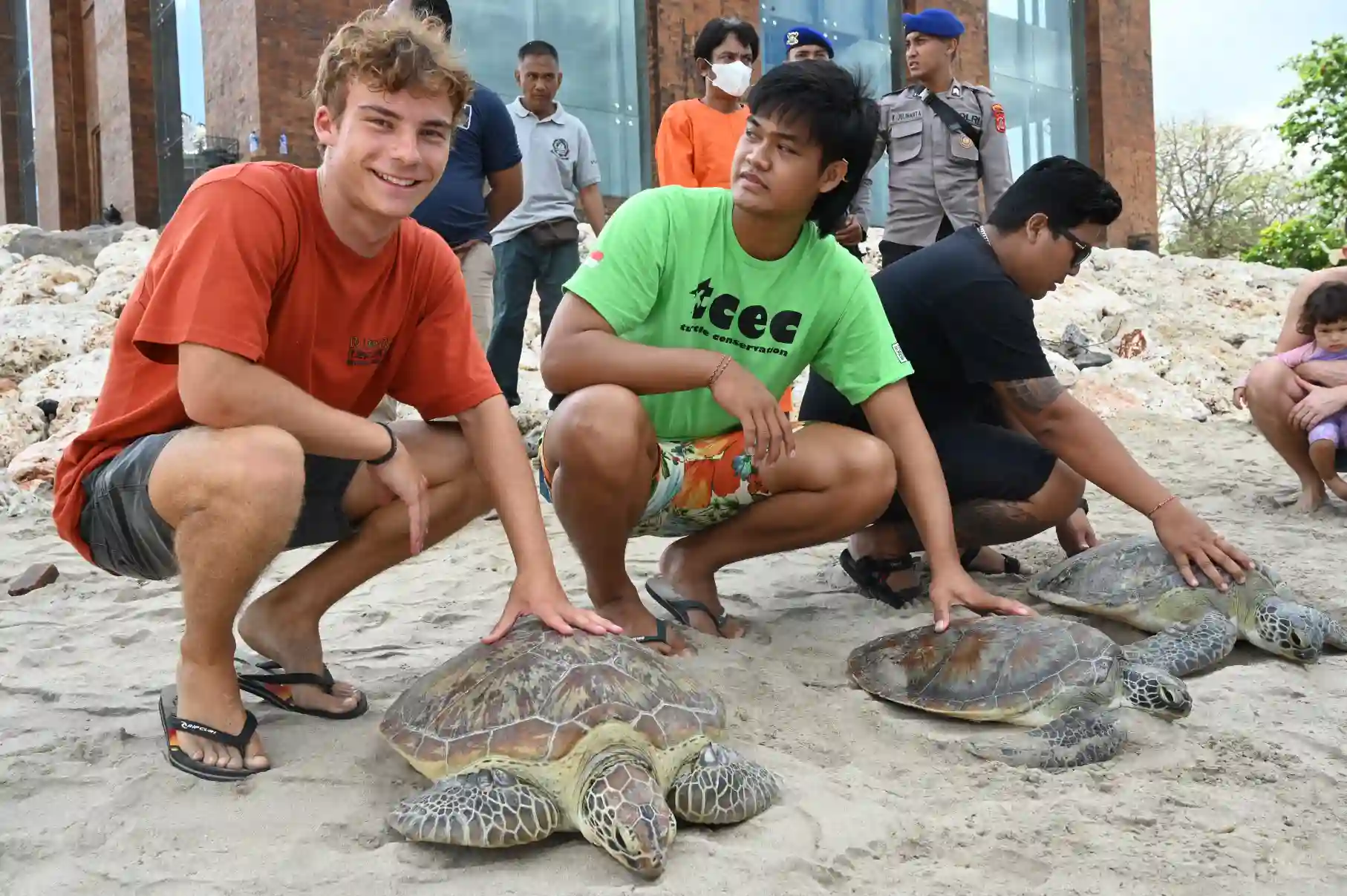
Supporting Daily Project Work
Cleaning, maintenance, preparation, and simple records all help the project operate better.
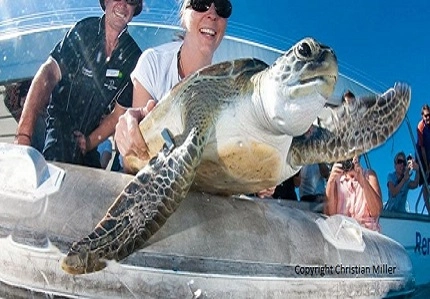
Reducing Harmful Tourism Behaviour
When volunteers follow ethical rules, they help show other visitors the right way to behave around turtles.
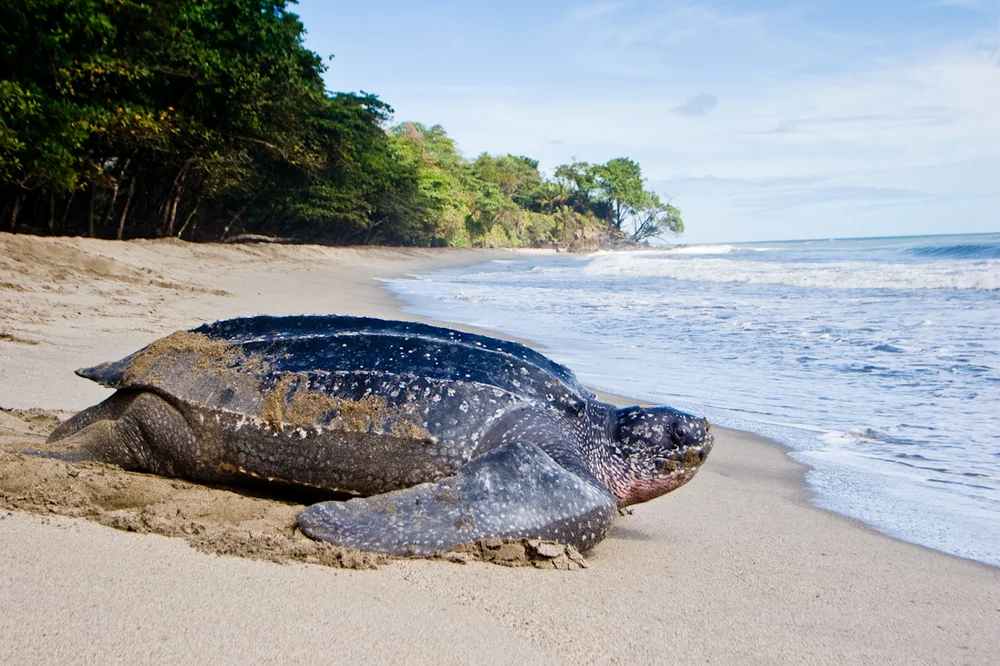
Spreading Awareness
Volunteers can share responsible messages with friends, families, schools, universities, and travel communities. Responsible volunteering may look simple, but it can create long term value.
Questions to Ask Before Joining Any Turtle Project
This section is useful for European volunteers and helps build trust, as before joining any turtle project, volunteers should ask whether the project puts turtle welfare first, allows unnecessary turtle handling, guarantees or stages hatchling releases, explains that nature cannot be controlled, educates visitors about responsible behaviour, involves volunteers in real tasks like cleaning and awareness, avoids using turtles only for photos, clearly explains donations or volunteer fees, and respects local communities and the environment.
Ahungalla Sea Turtle Conservation Project encourages volunteers to ask these questions because responsible conservation should always be transparent.
Our Message to Volunteers
When you join Ahungalla Sea Turtle Conservation Project, you are not joining a tourist show but a local conservation effort where you may help clean beaches, support the project team, educate visitors, assist with daily care work where appropriate, and learn about sea turtles in Sri Lanka. You may also experience quiet days, simple tasks, hot weather, and changing plans, which is normal in real conservation work.
We welcome volunteers who understand that every small action matters, including a cleaned beach, an educated visitor, a responsible photo, a kind attitude, a donation used correctly, and a volunteer who respects wildlife. Together, these small actions help protect sea turtles.