

Conservation & Research Centre

Protecting Sharks, Rays, and the Wider Ocean

Shark Conservation in Sri Lanka

Shark conservation is an important part of marine conservation in Sri Lanka, and while Ahungalla Sea Turtle Conservation Project mainly focuses on sea turtles, we also recognize the importance of sharks and rays in maintaining healthy ocean ecosystems. These species play a vital role in marine balance but face growing threats, so our goal is to raise awareness among volunteers, visitors, students, and local communities about their importance, challenges, and how everyone can contribute to better ocean conservation.

Why Shark Conservation Matters

Sharks are often misunderstood. Many people think of sharks only as dangerous animals, but in reality sharks are important marine species that help keep ocean ecosystems balanced. When shark populations decline, the wider marine environment can also be affected.

Shark conservation matters because healthy oceans need strong food webs, clean habitats, responsible fishing practices, and better public awareness. Protecting sharks is not only about protecting one animal group. It is about protecting the wider ocean system that also supports sea turtles, fish, coral reefs, seagrass beds, coastal communities, and tourism.

Sharks and Rays in Sri Lankan Waters

When you support Ahungalla Sea Turtle Conservation Project, you are supporting a local Sri Lankan initiative with a clear mission to protect sea turtles and promote marine conservation. Your support helps us continue daily project work, educate visitors, welcome volunteers, clean beaches, support turtle care, and raise awareness while contributing to a young founder’s vision of building a responsible, community connected conservation project on Sri Lanka’s southwest coast.

You can support us by joining as a volunteer, visiting the project, making a birthday donation, contributing to conservation work, sharing our mission with others, joining beach cleanups, arranging student or group visits, or helping spread awareness about sea turtle protection. Every action, big or small, helps create a safer future for sea turtles.

Threats to Shark

Main Threats to Sharks and Rays

Sharks and rays face many threats in Sri Lanka and around the world. Some threats happen in the ocean, while others are connected to markets, trade, tourism, and lack of awareness.

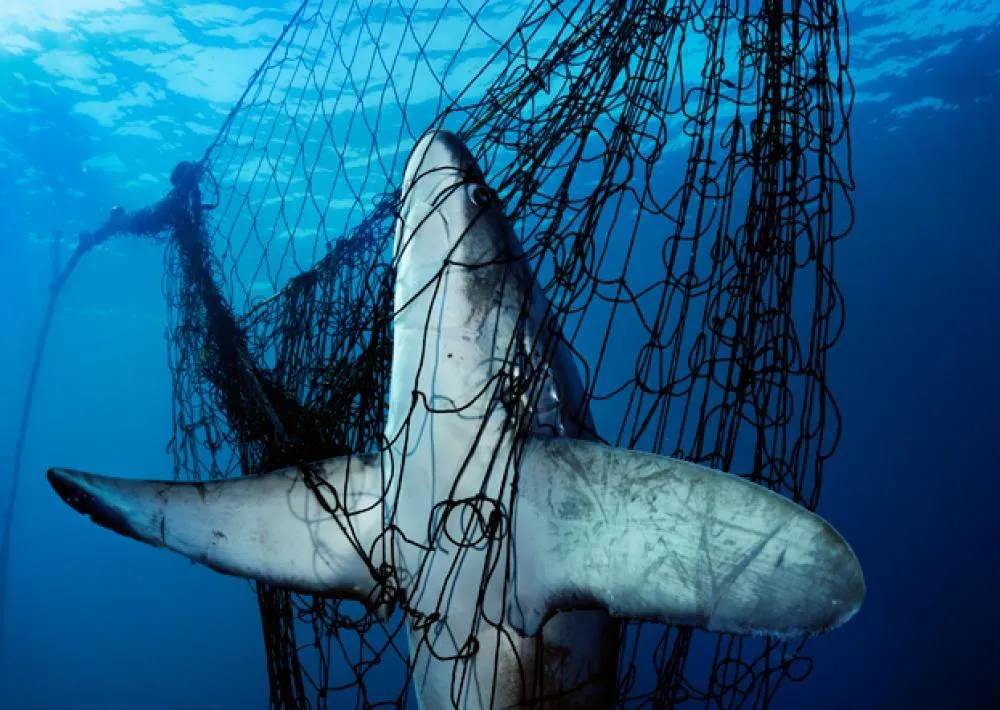
Overfishing and Bycatch

Some sharks and rays are caught directly, while others are caught accidentally in fisheries. This can reduce populations over time, especially because many shark species grow slowly and produce few young compared to many fish species.
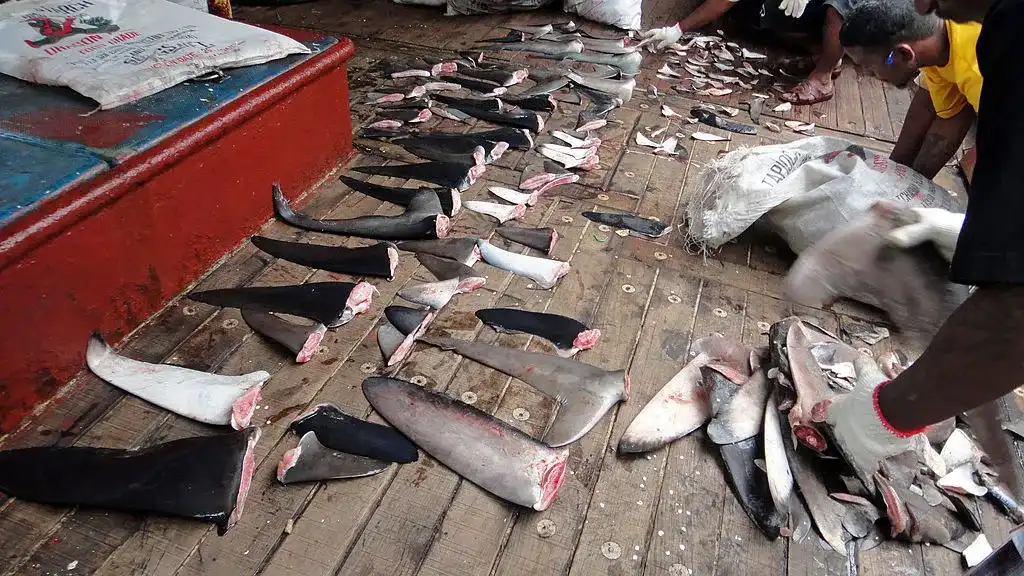
Shark Fin and Wildlife Trade

International demand for shark fins and other shark products can place pressure on shark populations. Responsible awareness helps people understand why shark trade must be managed carefully and why illegal or unsustainable trade is harmful.
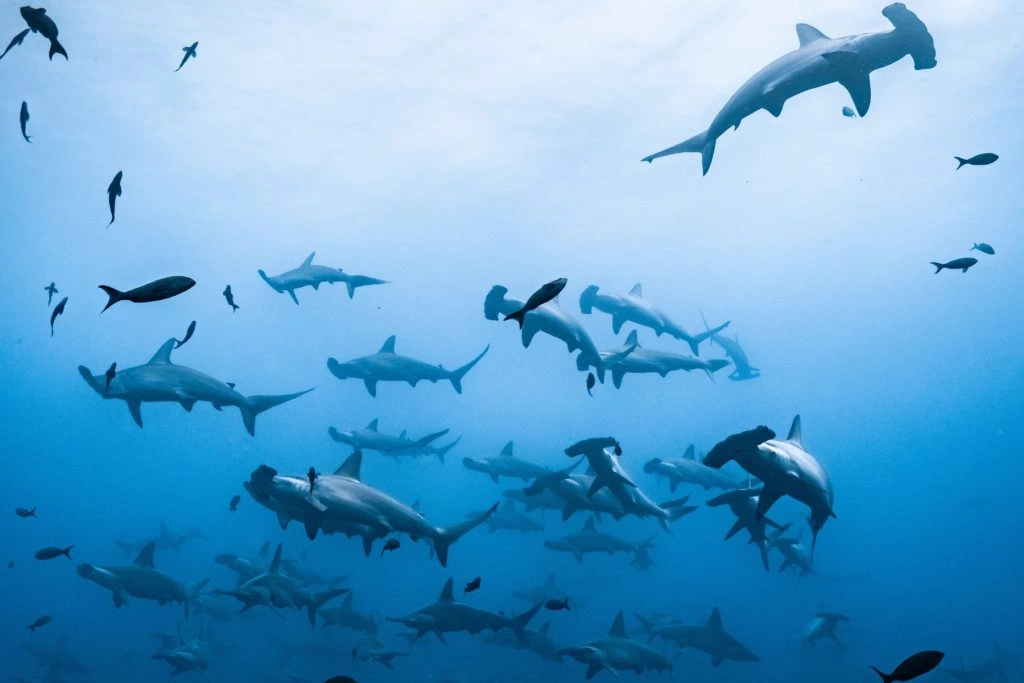
Lack of Awareness

Many people do not understand the importance of sharks. Fear based stories and negative media can make people less interested in protecting them. Education helps change this attitude and builds respect for sharks as important marine animals.
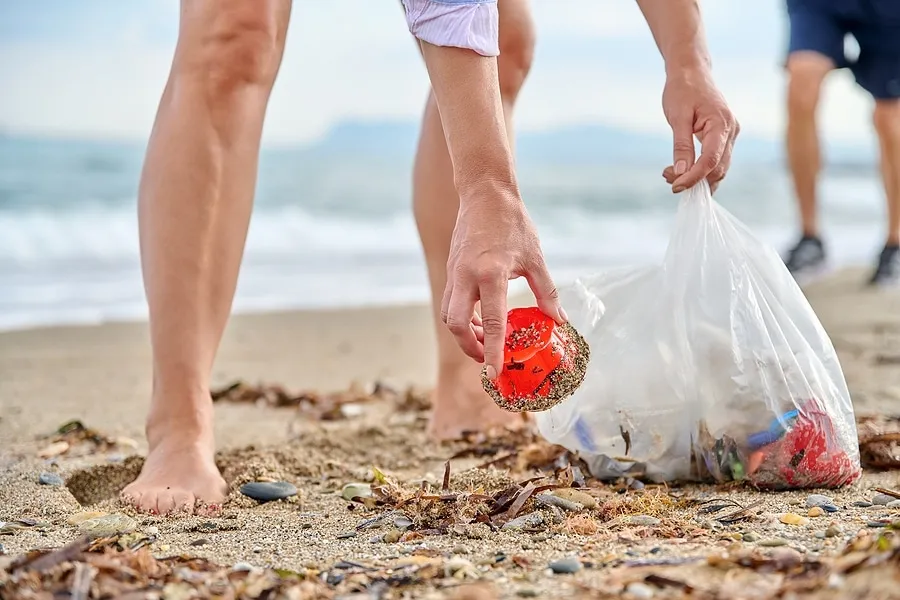
Plastic Pollution and Marine Waste

Plastic waste, fishing lines, nets, and other marine rubbish can harm many ocean animals, including sharks, rays, turtles, fish, birds, and coastal wildlife. Beach cleaning and plastic reduction are practical ways volunteers can support marine conservation.
Our Shark Conservation Approach

Our shark conservation work is focused on education, awareness, responsible volunteering, and ocean protection. We do not promote unsafe interaction or entertainment-based shark tourism, and volunteers do not catch, handle, feed, or swim with sharks as part of the program. Instead, the focus is on learning, awareness, and supporting marine conservation through ethical and non-invasive activities.

Our approach includes shark and ray conservation awareness, marine wildlife education, beach cleaning and plastic pollution work, responsible fisheries awareness, student and visitor learning sessions, simple awareness materials and posters, positive conservation messaging, and support for ocean protection campaigns.

Volunteers Can Support

How Volunteers Can Support Shark Conservation

Volunteers can support shark conservation by helping people understand sharks better. This may include preparing awareness materials, helping with visitor education, joining beach cleaning activities, supporting student learning sessions, creating responsible social media content, and learning about shark and ray conservation issues in Sri Lanka.

If a proper project method is available, volunteers may also help with simple non-invasive records such as beach cleaning notes, awareness session records, visitor questions, or learning material preparation. Any research style activity must follow project guidance and should not involve risky or direct interaction with sharks.

Conservation

Shark Conservation and Responsible Tourism

Sri Lanka is a growing destination for responsible travel, wildlife tourism, and marine conservation experiences. Shark conservation can become part of this responsible tourism story when it is done carefully and honestly.

Visitors and volunteers should understand that shark conservation is not about dangerous experiences or staged wildlife interaction. It is about learning, awareness, ocean respect, and supporting healthier marine ecosystems.

FAQ

Frequently Asked Questions

No. Our shark conservation program is education, awareness, and ocean protection focused. Volunteers do not catch, handle, feed, or swim with sharks as part of the project.

Yes. You can apply for the Shark Conservation Volunteer Program, which focuses on shark and ray awareness, marine education, beach cleaning, responsible fisheries awareness, and ocean conservation support.

Yes. Volunteers can ask about a combined marine conservation program that includes sea turtle conservation support and shark conservation awareness activities.

No previous experience is required. A positive attitude, respect for wildlife, willingness to learn, and responsible behaviour are more important.