
Volunteer for Shark and Marine
Shark Conservation Volunteer Program in Sri Lanka
About
What This Program Is About
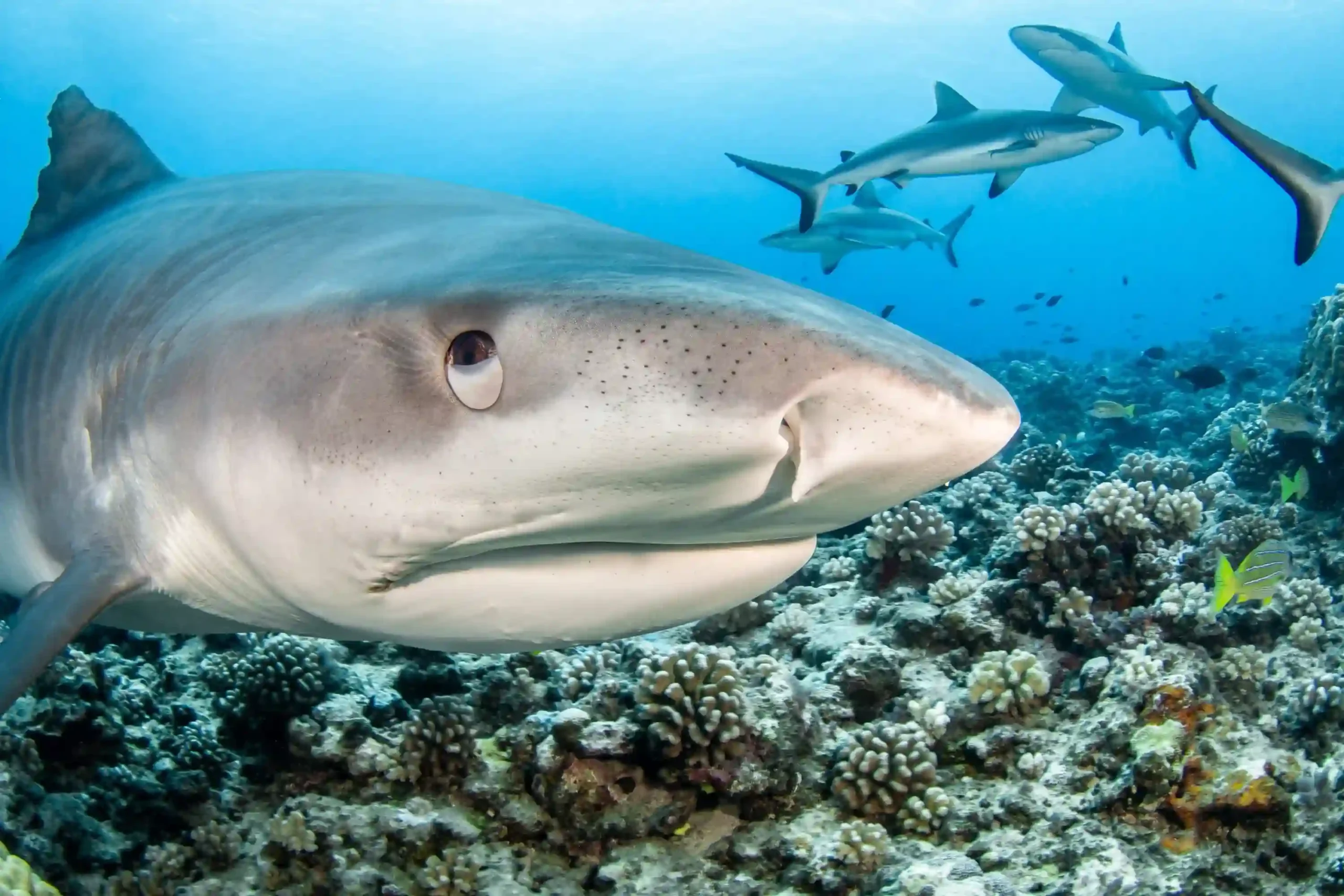
This program focuses on shark and ray awareness, marine education, beach cleaning, plastic pollution reduction, responsible fisheries awareness, student learning, visitor education, and positive conservation communication.
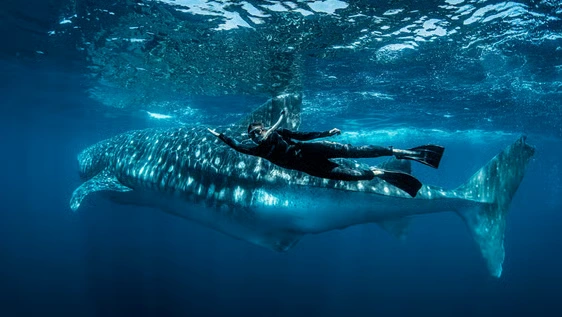
It does not involve risky or direct shark interaction. Volunteers do not catch, handle, feed, or swim with sharks as part of the program. Instead, volunteers support conservation through education, awareness, beach protection, and responsible marine messages.
Why Shark Conservation Matters
Who Can Join
Schedule
Sample Daily Program Flow
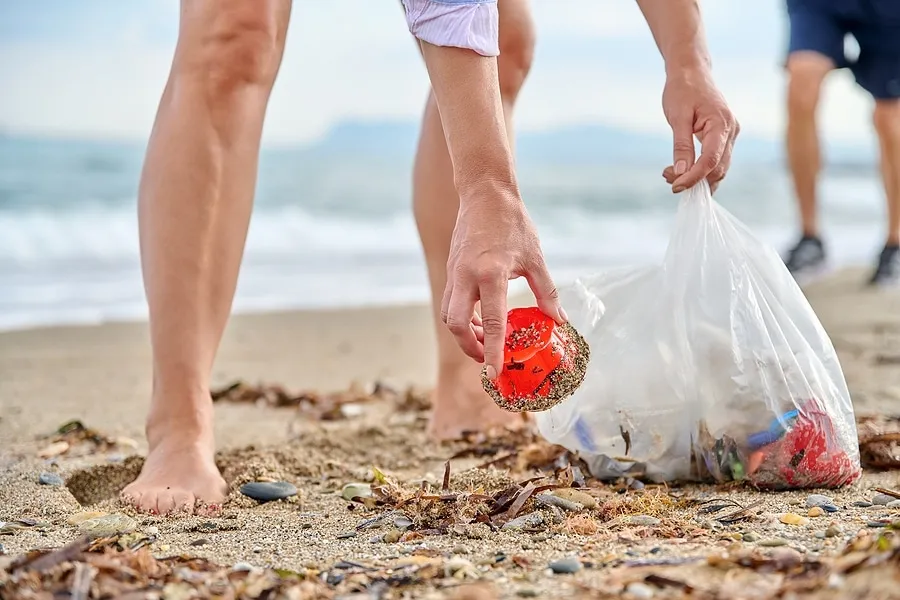
Each day may be different depending on project needs and local conditions. A sample day may include a morning beach cleaning activity, a learning session about sharks and rays, preparation of awareness content, visitor education support, and a discussion about responsible marine conservation.

Morning
- Beach cleaning or plastic waste collection
- Project preparation
- Marine conservation learning session
- Awareness material planning

Afternoon
- Visitor education support
- Student awareness activity where available
- Responsible fisheries awareness discussion
- Content or poster preparation
- Project records where suitable

Evening
- Volunteer discussion
- Review of learning points
- Planning for the next day
- Optional combined turtle conservation activity if available and suitable
Shark Conservation
What Shark Conservation Volunteers Can Help With
Volunteer tasks depend on project needs, weather, visitor bookings, student visits, and team guidance, so activities may change from day to day. Volunteers may take part in shark and ray conservation awareness, marine wildlife education, beach cleaning and plastic waste removal, ocean pollution awareness, responsible fisheries awareness, visitor education support, student and school awareness sessions, creating simple posters or learning materials, responsible social media content, simple non-invasive project records where suitable, and supporting combined sea turtle and shark conservation learning.
What Volunteers Do Not Do
Important Note About Turtle Activity
Duration
Volunteer Duration Options

One Week Volunteer Introduction
A short introduction for travellers who want to support shark and marine conservation awareness during their Sri Lanka trip.
Two Week Volunteer Program
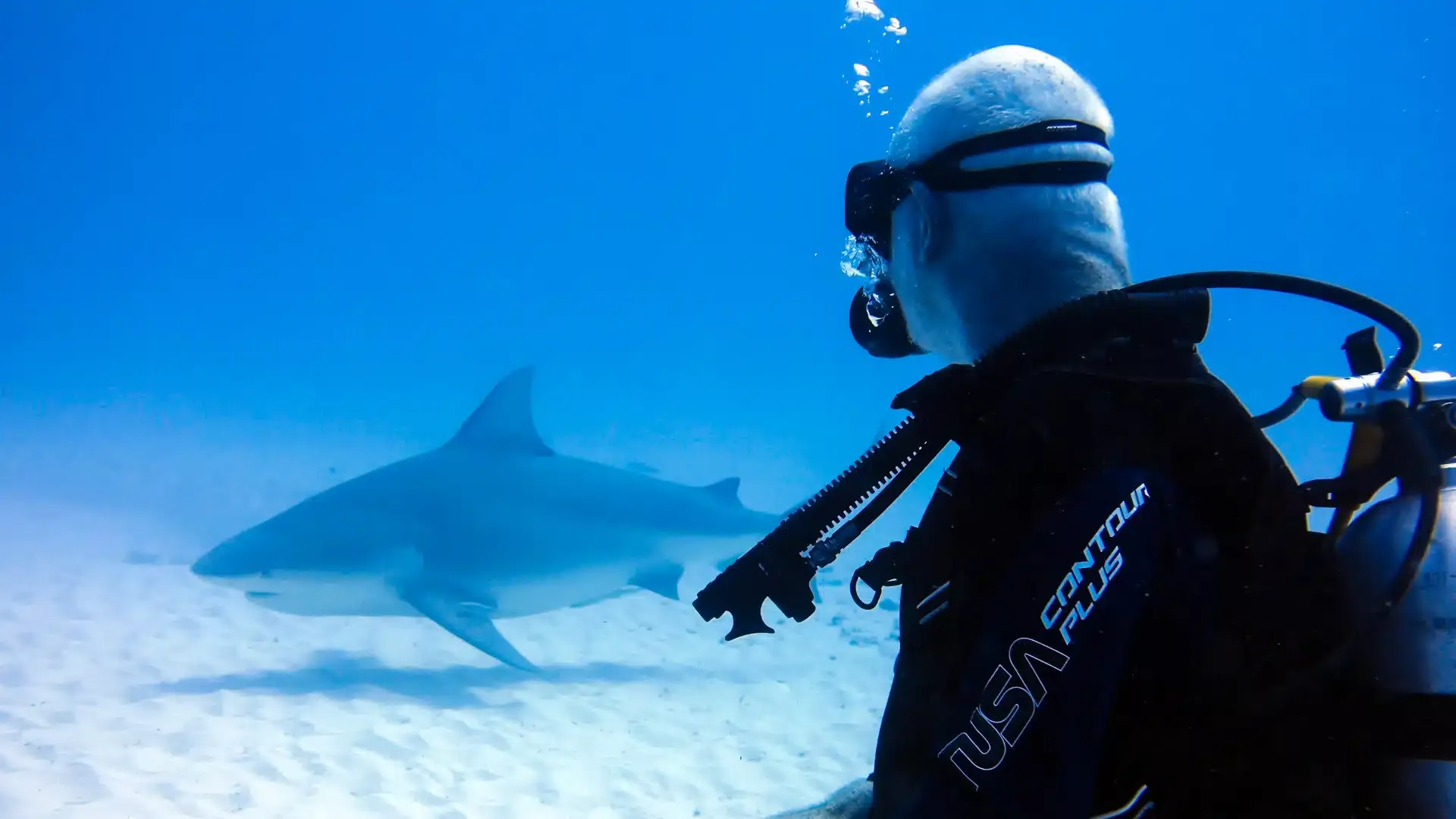
A stronger option for European volunteers, students, and gap year travellers who want to learn more and support different awareness activities.
Four Week Marine Conservation Experience
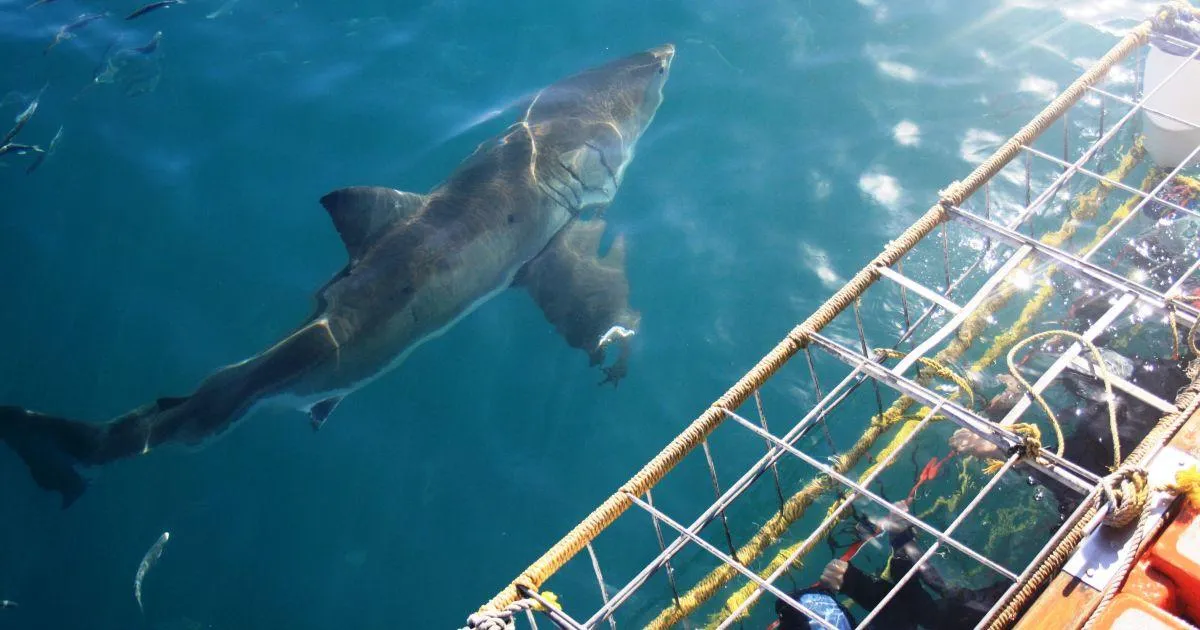
A deeper option for volunteers who want more time with project learning, beach cleaning, student awareness, and combined conservation activities.
Sea Turtle and Shark
Combined Sea Turtle and Shark Conservation Program
Volunteers who want a wider marine conservation experience can ask about the Combined Marine Conservation Volunteer Program, which includes both sea turtle conservation support and shark conservation awareness activities. This option is ideal for those who want to learn about Sri Lanka’s coastal ecosystem as a whole, including sea turtles, sharks, rays, plastic pollution, responsible tourism, and community awareness.
Responsible shark conservation rules ensure the program remains educational, safe, and ethical, treating sharks as wild marine animals that must be respected. Volunteers are expected not to promote sharks as monsters, encourage dangerous interactions, or support handling, feeding, or catching, and not to share misleading content. Instead, they should use respectful language, support beach cleaning and plastic reduction, follow project guidance, and promote sharks as important species in healthy ocean ecosystems.
Enquiry
Volunteer Enquiry Form Fields
FAQ
Frequently Asked Questions
Yes. You can apply for the Shark Conservation Volunteer Program with Ahungalla Sea Turtle Conservation Project.
No. This is a non-invasive education and awareness program. Volunteers do not catch, handle, feed, or swim with sharks as part of the program.
Yes. You can ask about the Combined Marine Conservation Volunteer Program.
No. Previous experience is not required. You only need a responsible attitude and willingness to learn.
A certificate of participation may be provided after completing the agreed program. Please confirm before joining.