


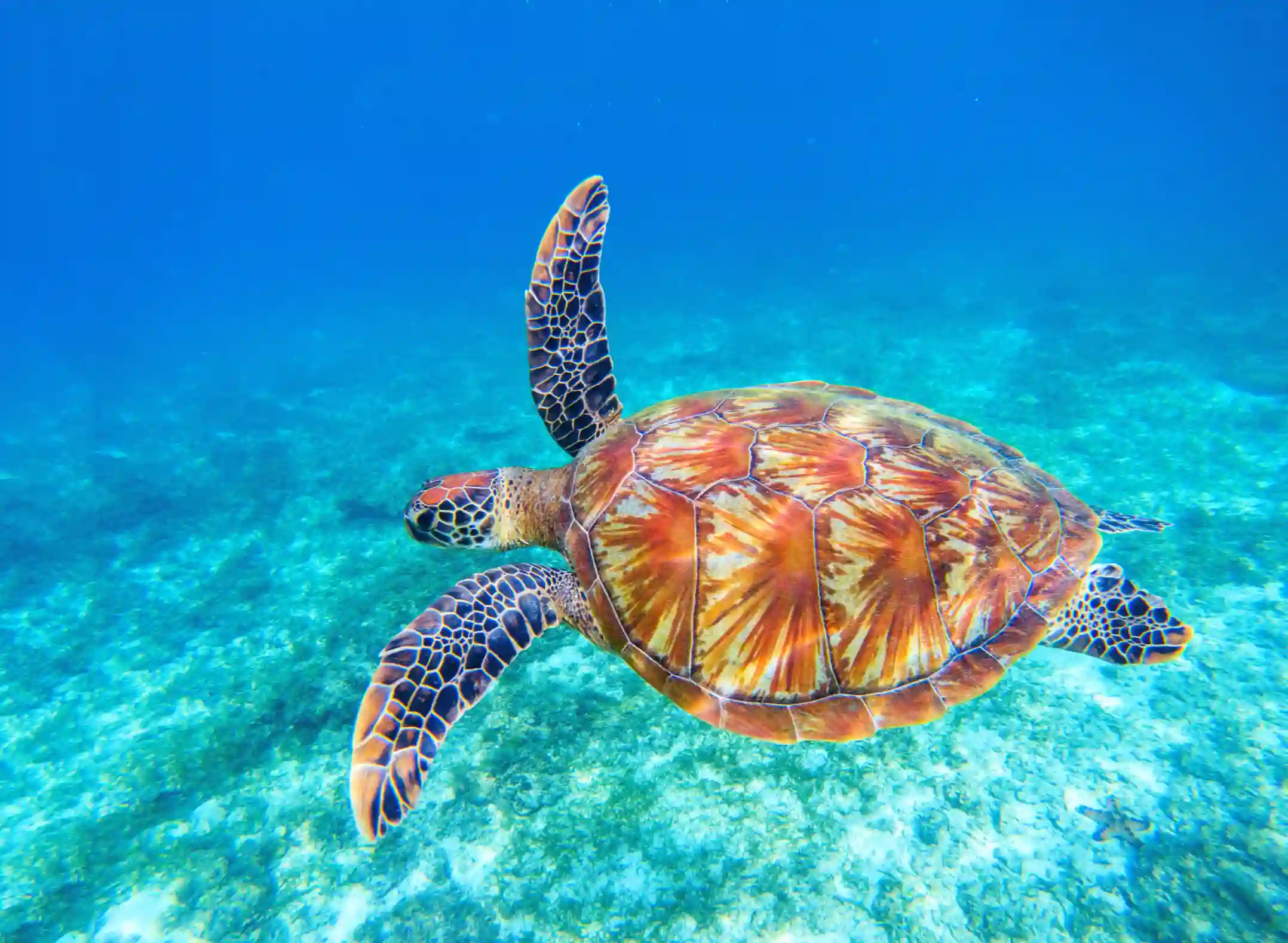
Green Turtle
The Green Turtle is one of the best known sea turtle species found in Sri Lanka. It is often connected with tropical waters, seagrass areas, and nesting beaches. Green Turtles are large, beautiful marine animals and are among the species most often associated with Sri Lankan nesting beaches.
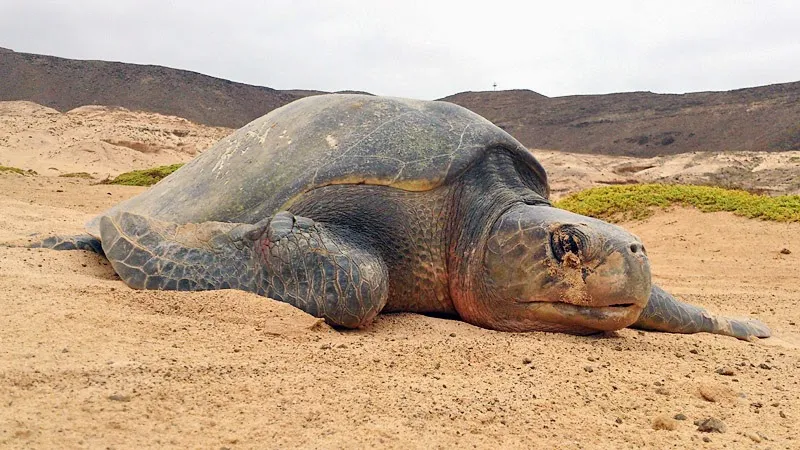
Olive Ridley Turtle
The Olive Ridley Turtle is another important species found in Sri Lanka. It is smaller than some other sea turtles and is known in many parts of the world for large nesting events. In Sri Lanka, Olive Ridley Turtles are also recorded among the nesting turtle species. Green and Olive Ridley Turtles are noted as the most frequently encountered nesting turtles in Sri Lanka.
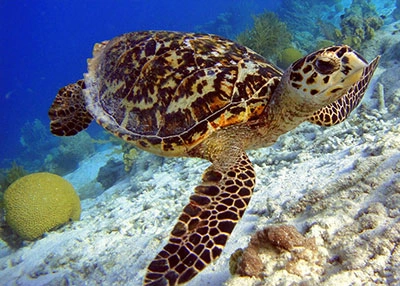
Hawksbill Turtle
The Hawksbill Turtle is known for its beautiful shell pattern and pointed beak like mouth. It is closely connected with coral reef environments. Sadly, Hawksbill Turtles have historically faced threats because of demand for their shell. Conservation and awareness are important to help protect this rare and beautiful species.
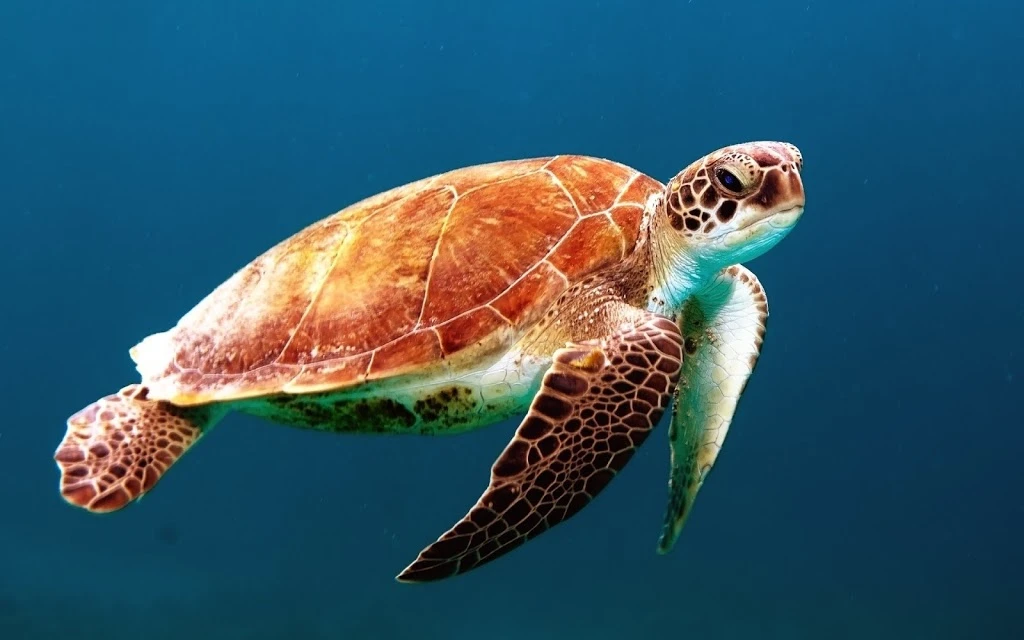
Loggerhead Turtle
The Loggerhead Turtle is also recorded in Sri Lankan waters. It is known for its large head and strong jaws. Loggerhead nesting is less common compared with Green and Olive Ridley Turtles in Sri Lanka, but the species remains an important part of the island’s marine turtle diversity.
Leatherback Turtle
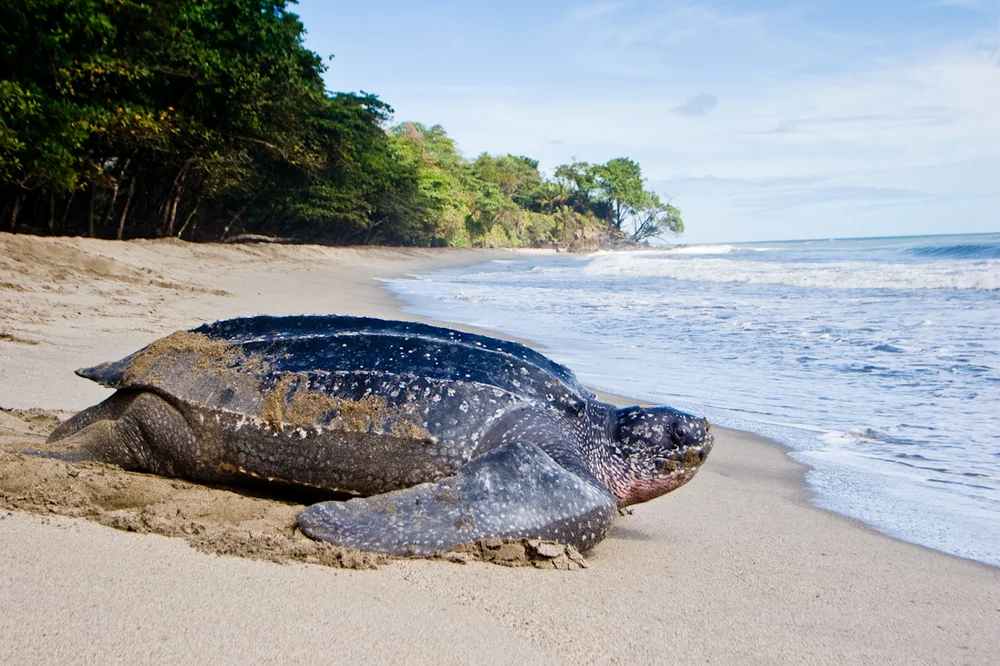
The Leatherback Turtle is the largest sea turtle species in the world. Unlike other sea turtles, it has a leathery shell rather than a hard shell. Leatherback sightings and nesting records are less frequent in Sri Lanka, but the species is part of the country’s marine turtle heritage.
Egg Poaching
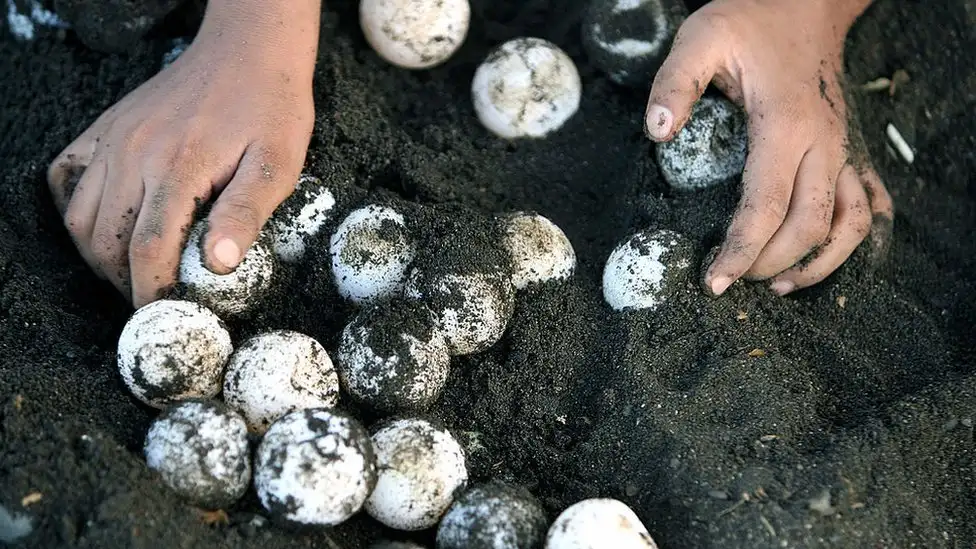
Turtle eggs have historically been taken from nests for illegal sale or consumption. Conservation projects and beach protection efforts help reduce this risk. The Sri Lanka Coast Guard describes turtle conservation work as including the prevention of egg poaching and protection of nesting turtle populations.
Plastic Pollution
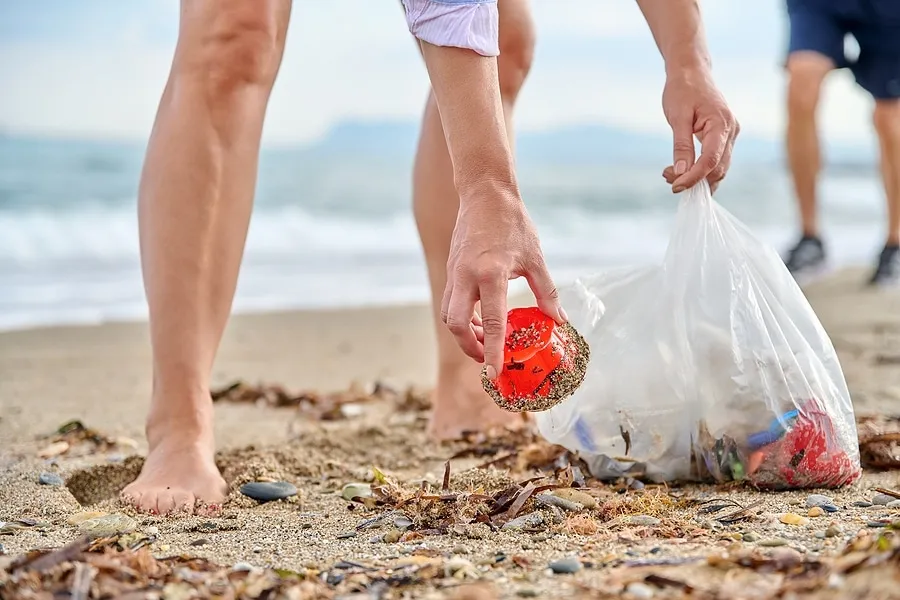
Plastic waste is one of the biggest threats to marine life. Turtles can mistake plastic bags and floating waste for food. Plastic and other waste can also affect nesting beaches and the journey of hatchlings. Beach cleaning is one of the simple but powerful ways volunteers and local communities can help protect sea turtles.
Careless Tourism
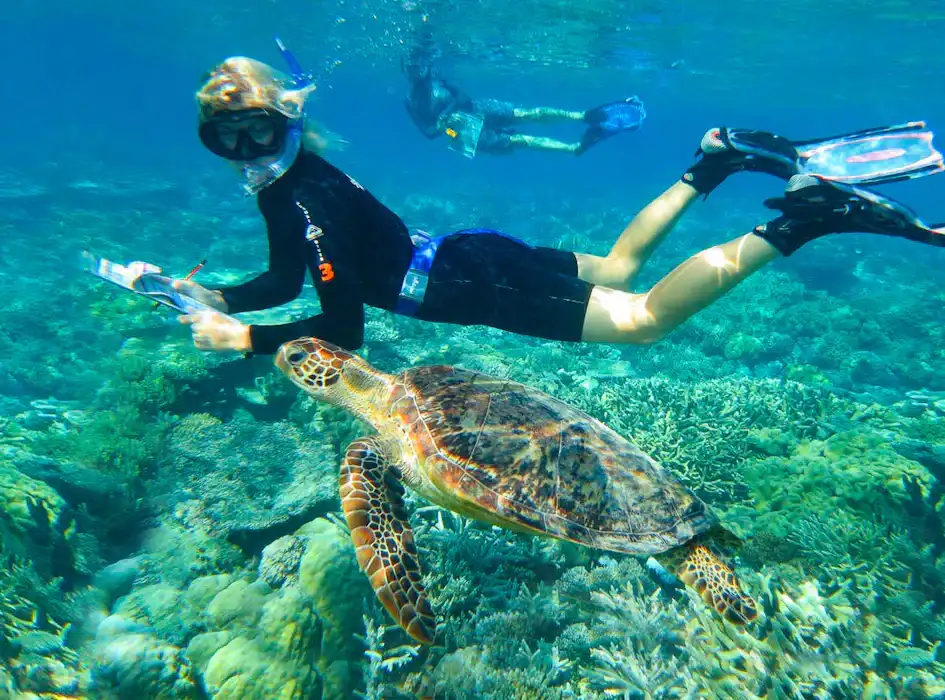
Sea turtles should not be treated as entertainment. Crowding, touching, flash photography, daytime staged releases, and forcing turtle experiences for visitors can harm turtles and weaken real conservation values. At Ahungalla Sea Turtle Conservation Project, we want visitors to understand that responsible turtle conservation means respecting the animals and their natural behaviour.
Coastal Development
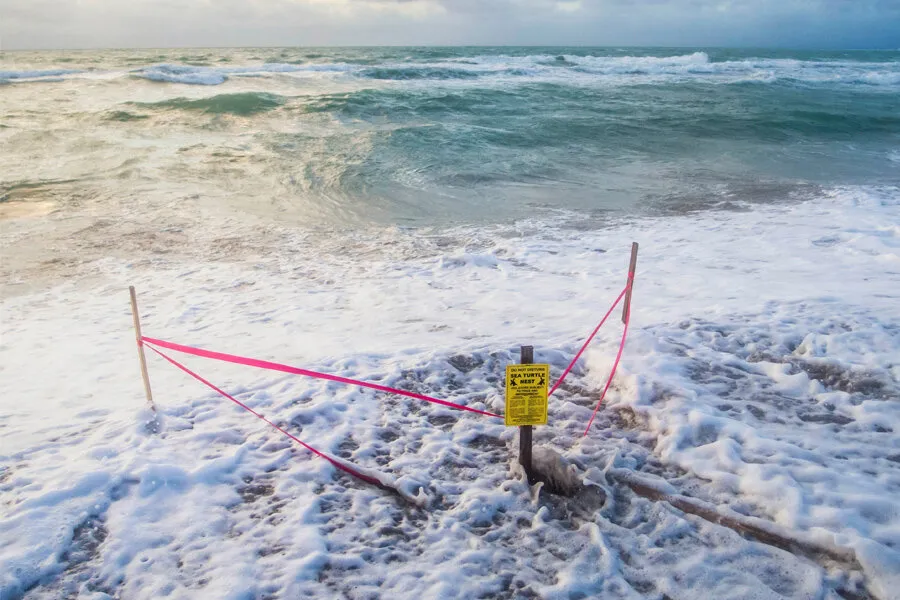
Hotels, roads, buildings, and beach activity can disturb natural nesting areas. Responsible development and better awareness are important for protecting turtle nesting beaches.
Fishing Related Injuries
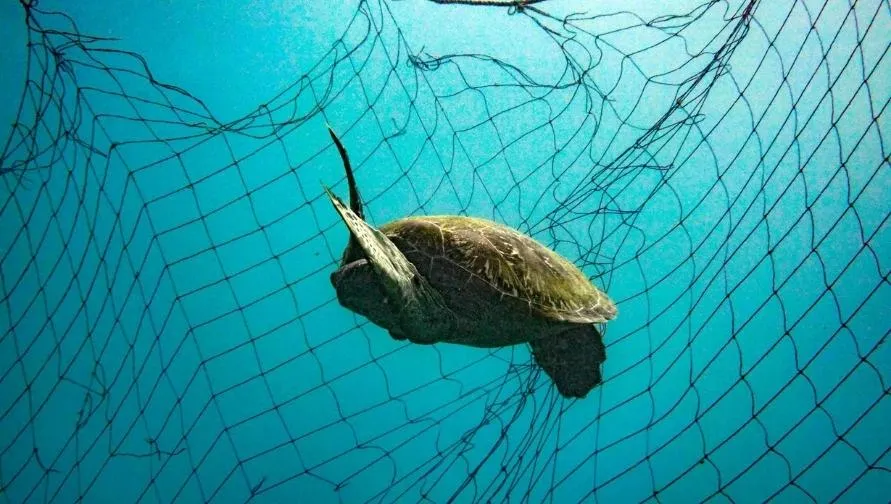
Sea turtles can become accidentally caught in fishing nets, lines, and other fishing gear. This is known as bycatch, and it is one of the threats listed for marine turtles in the region.
Artificial Lights
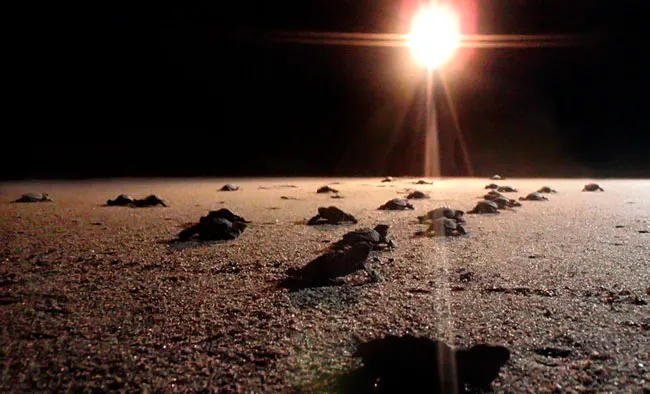
Bright lights near beaches can confuse nesting turtles and hatchlings. Hatchlings naturally move toward the sea using light from the horizon. Strong artificial lights from buildings, roads, beach parties, or tourism areas can lead them in the wrong direction.
Education and Awareness
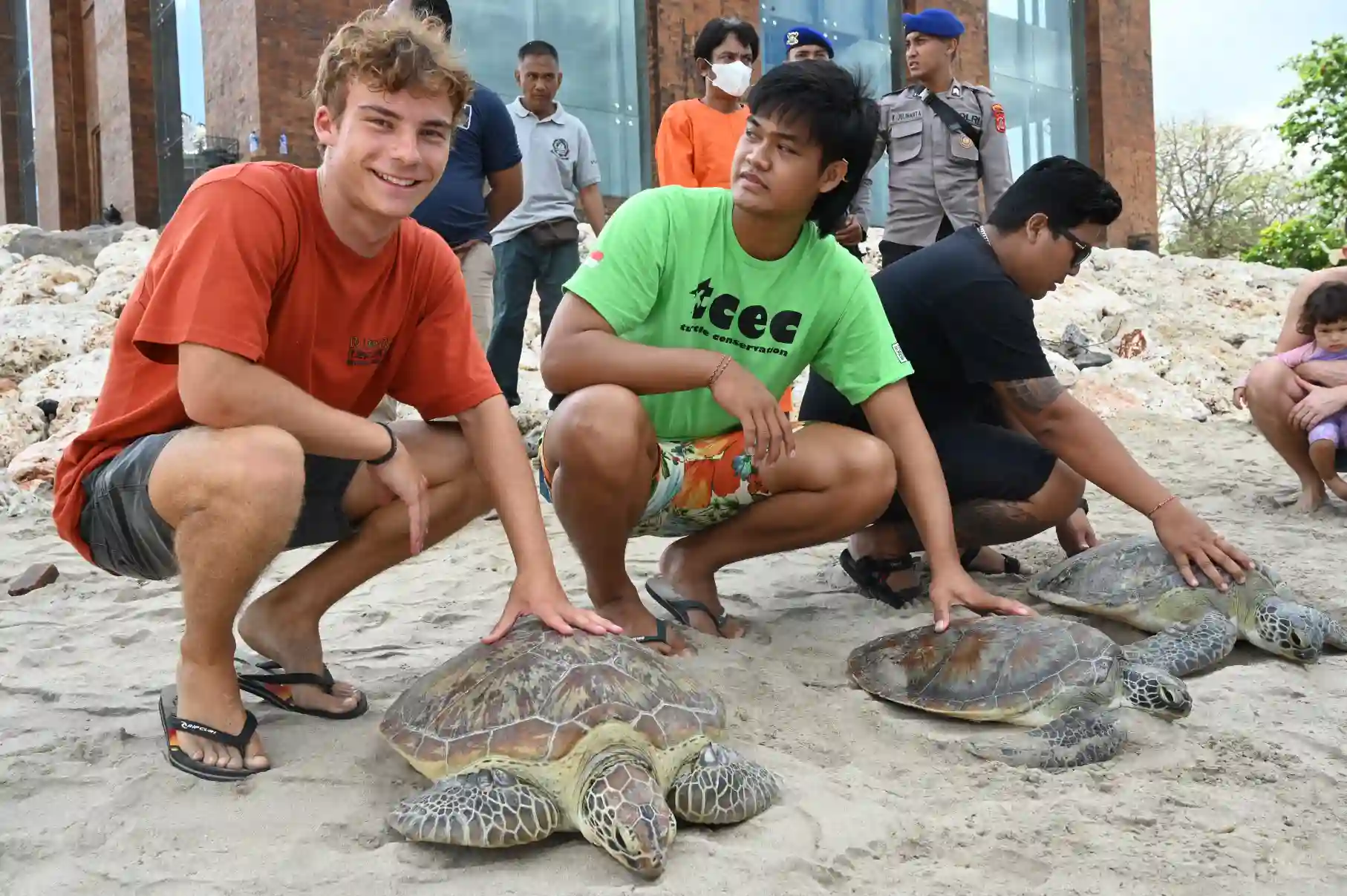
Many people love sea turtles but do not fully understand how easily they can be disturbed. Education helps visitors, students, tourists, and local communities understand what to do and what not to do around turtles.
Beach Cleaning
Cleaner beaches create a safer environment for nesting turtles and hatchlings. Removing plastic, bottles, fishing waste, and other rubbish helps protect the wider marine environment.
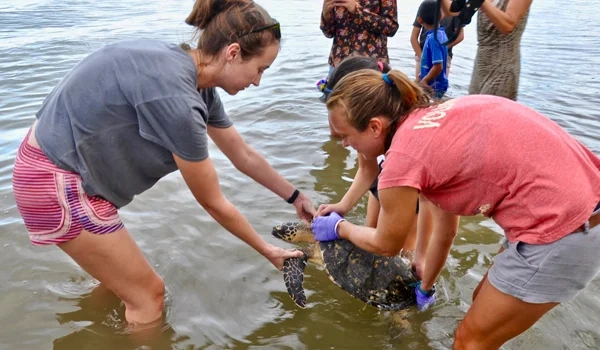
Responsible Turtle Care Support
Some turtles may need care due to injury or other difficulties. When care is needed, it should be handled with respect, patience, and proper guidance. Volunteers may support basic project tasks under the supervision of the local team.
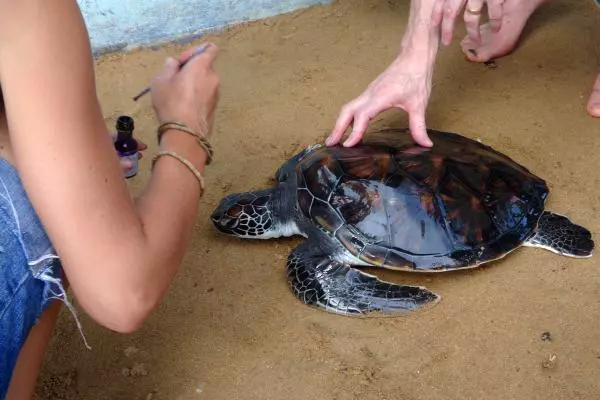
Nest Protection Awareness
Turtle nests need protection from poaching, disturbance, and unsafe conditions. Responsible conservation projects help create awareness around the importance of protecting nests and nesting beaches.
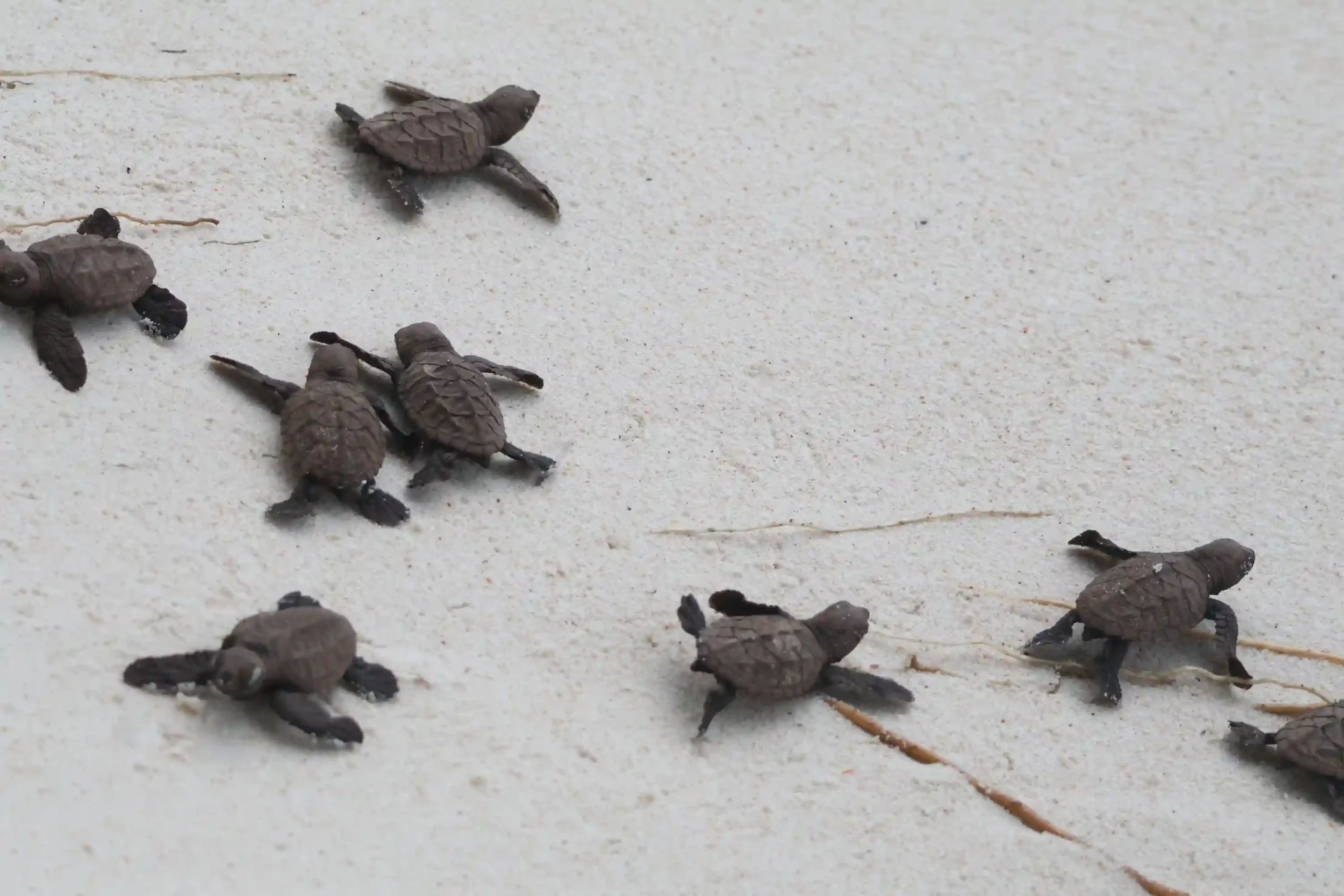
Responsible Hatchling Release
Hatchling release should never be treated only as a tourist activity. Conservation guidance recommends that most hatchlings should be allowed to crawl naturally to the sea, and hatchlings should not be kept in tanks before release. Best practice guidance mentioned in Sri Lanka hatchery research also highlights that hatchlings should be released within 24 hours of emerging, ideally between evening and early morning hours.
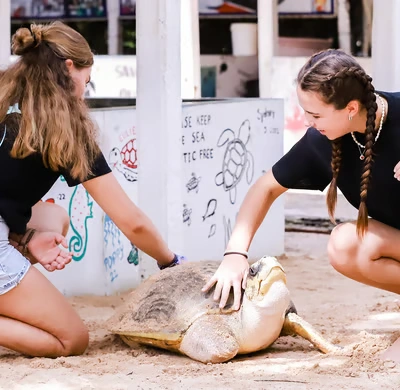
Join as a Volunteer
Spend meaningful time in Ahungalla and support daily project activities, beach cleaning, awareness work, and conservation learning.
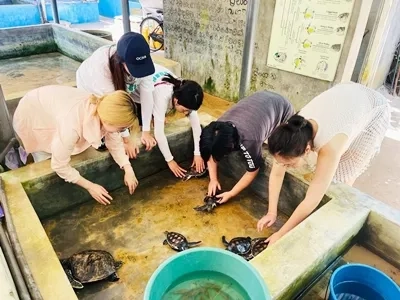
Visit the Project
Families, students, tourists, and groups can visit the project to learn about sea turtles and responsible conservation.
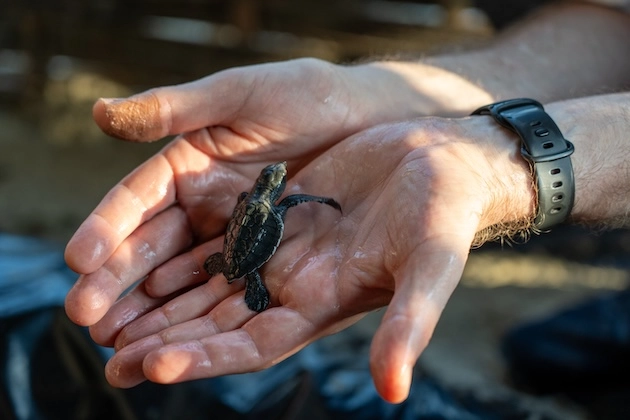
Make a Donation
Your donation helps support project work, turtle care, beach protection, awareness, and daily conservation activities.
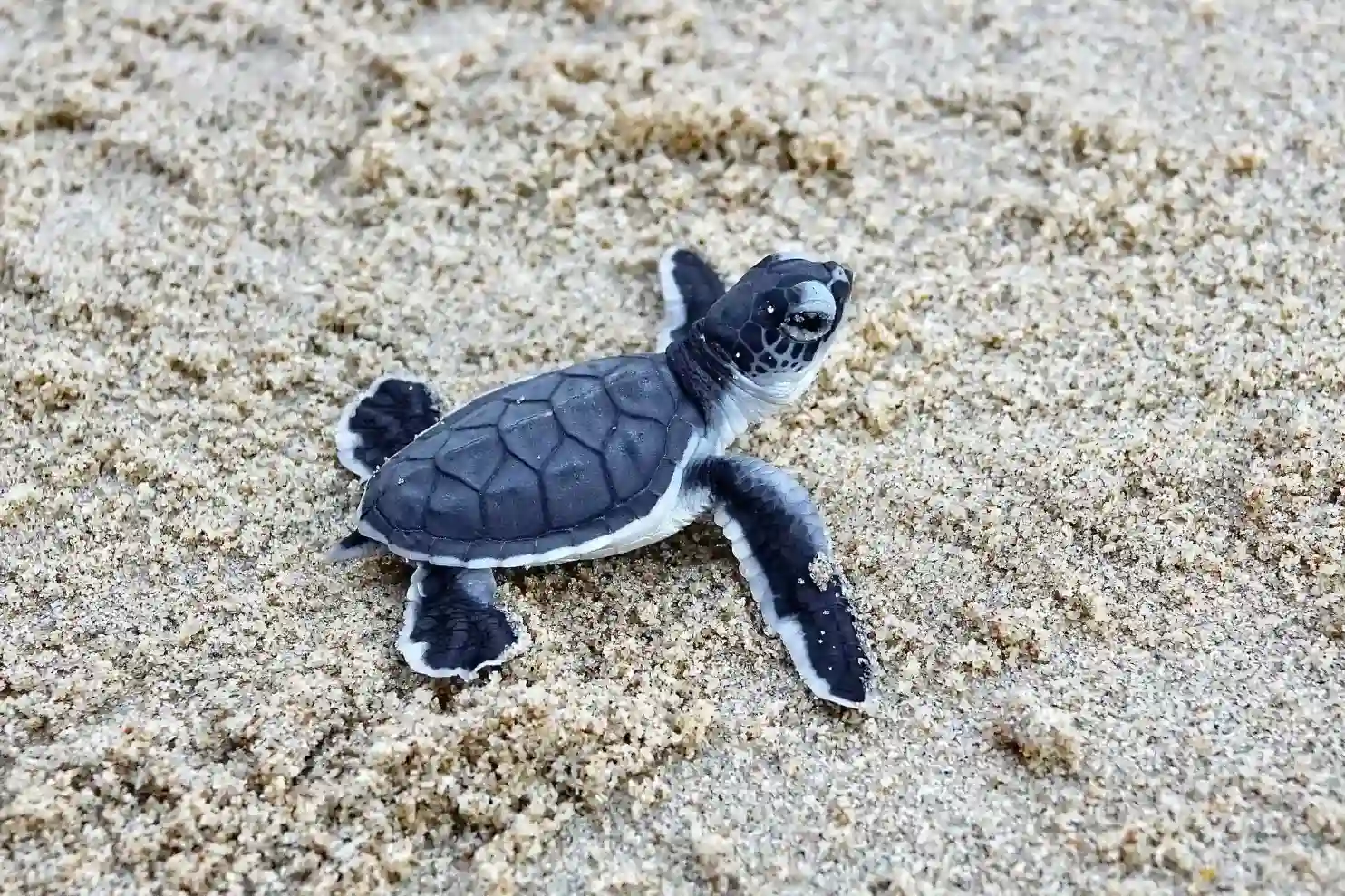
Give a Birthday Turtle Protection Gift
Celebrate a birthday by supporting sea turtle conservation and receiving a digital turtle protection certificate.
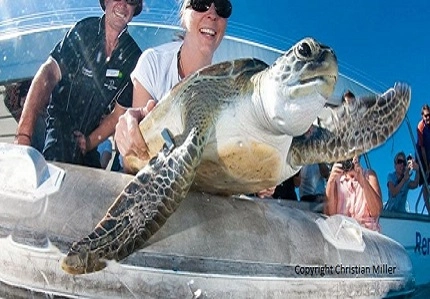
Share Our Message
You can help by sharing our project with friends, schools, universities, travel groups, and people who care about wildlife.