

Conservation & Research Centre

Volunteer with Sea Turtles

Volunteer Programs in Sri Lanka

Ahungalla Sea Turtle Conservation Project welcomes volunteers, students, and travellers to support sea turtle and shark conservation on Sri Lanka’s southwest coast. Volunteers join activities like beach cleaning, education, awareness, and marine protection work. No experience is needed—only respect for wildlife and a willingness to learn. Together, we work to protect marine life and promote a healthier ocean for the future.

Volunteer Program

Choose Your Volunteer Program

Volunteers can apply for one of three program options depending on their interests, travel dates, and project availability.

Sea Turtle Conservation Volunteer Program

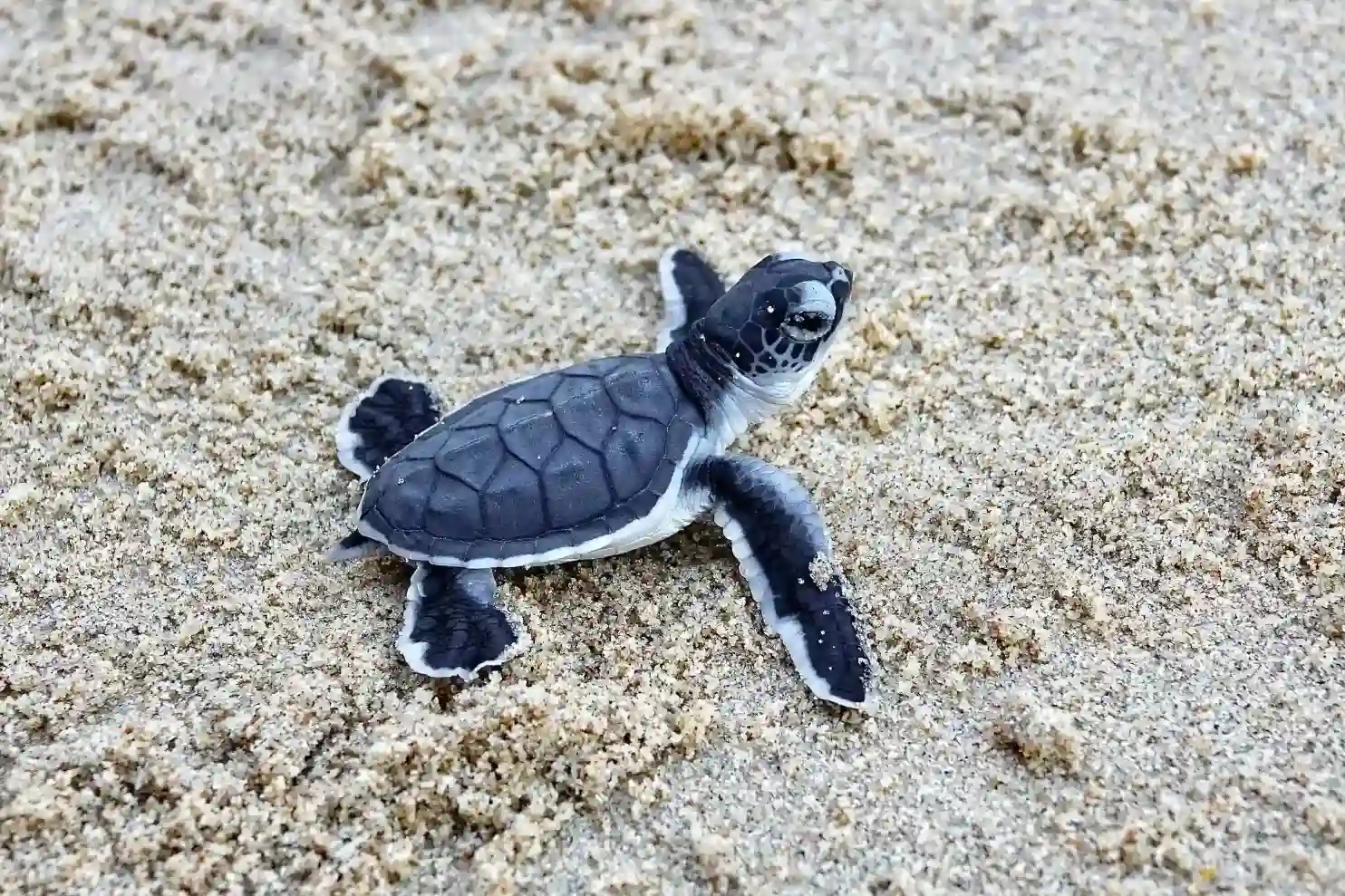
This is the main volunteer program of Ahungalla Sea Turtle Conservation Project. Volunteers support sea turtle conservation through beach cleaning, project maintenance, turtle care support where appropriate, visitor education, awareness work, and responsible conservation learning.
Shark Conservation Volunteer Program

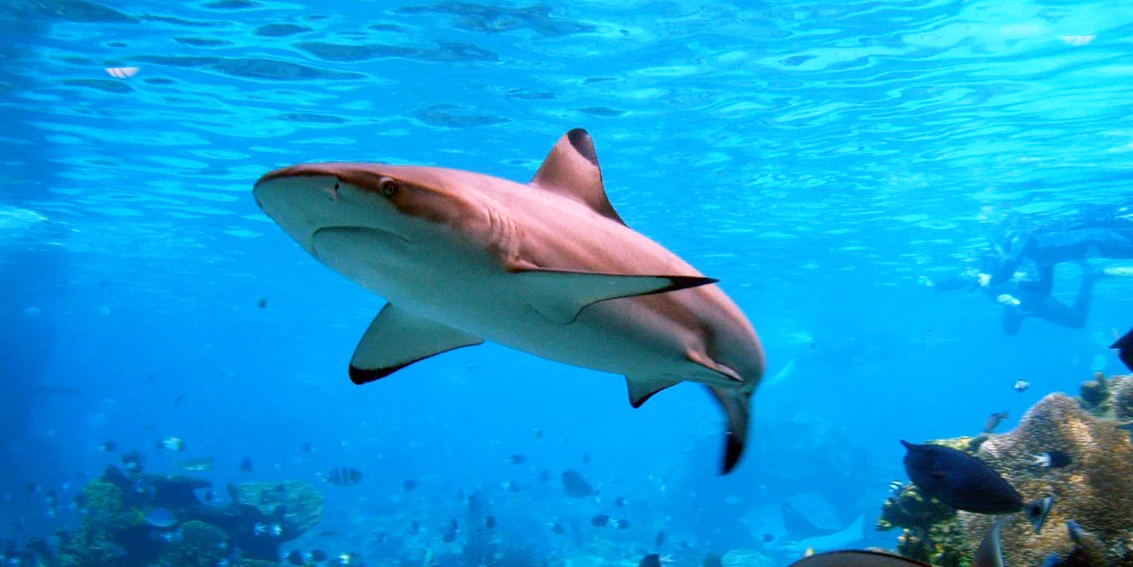
This program focuses on shark and ray conservation awareness, marine education, responsible fisheries awareness, beach cleaning, plastic pollution work, student education, visitor learning, and responsible ocean conservation communication. Volunteers do not catch, handle, feed, or swim with sharks as part of the program.
Combined Marine Conservation Volunteer Program

This option is suitable for volunteers who want to support both sea turtle conservation and shark conservation awareness. It gives a wider understanding of Sri Lanka’s marine environment while keeping all activities responsible, safe, and education focused.
Why

Why Volunteer with Sea Turtles in Sri Lanka?

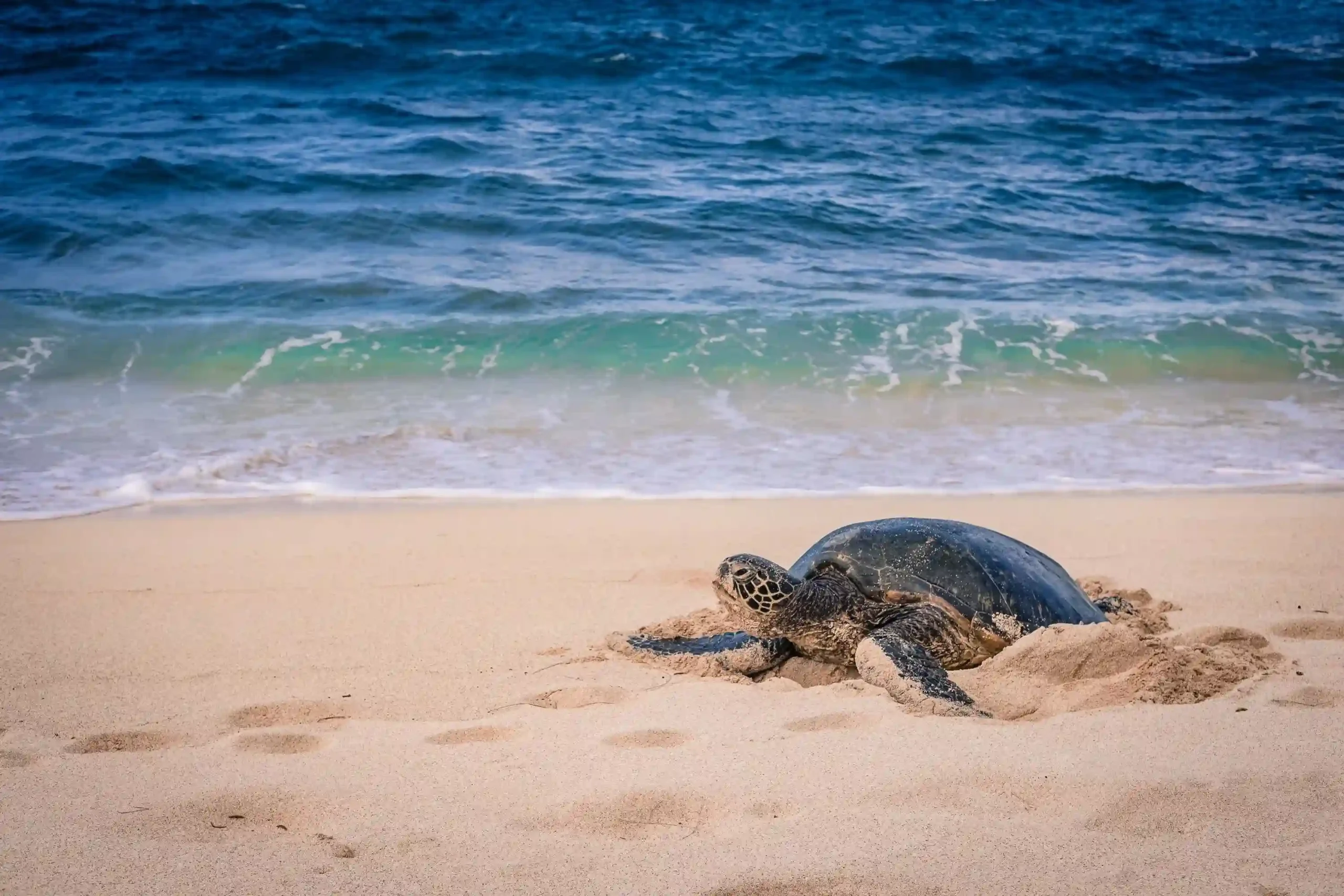
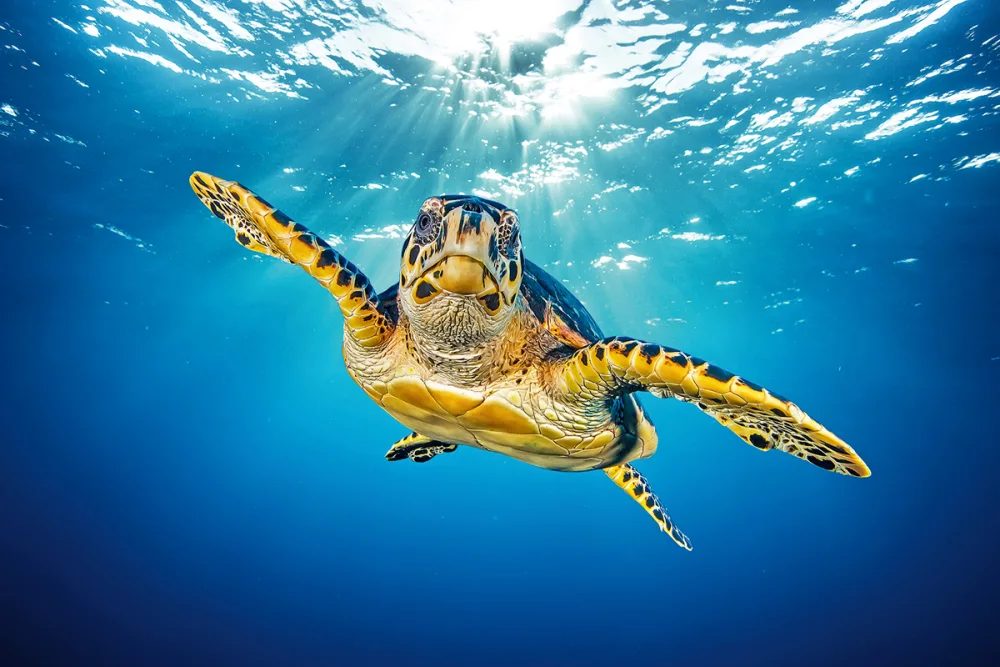
Sri Lanka is home to five species of sea turtles, and its coastline plays an important role in sea turtle awareness and conservation. But sea turtles face many threats, including plastic pollution, fishing related injuries, egg poaching, artificial lights, coastal development, and careless tourism.

Volunteering with sea turtles is a meaningful way to support conservation while learning about marine life, responsible tourism, and coastal protection.

At Ahungalla Sea Turtle Conservation Project, volunteers help with practical daily tasks that support the project and its conservation goals. Some tasks may be directly connected with turtle care, while others may focus on beach cleaning, education, awareness, project maintenance, and visitor support.

Real conservation is not always glamorous. It includes cleaning, learning, observing, preparing, educating, and supporting the team with patience and care. This is what makes the experience honest and valuable.

What

What Volunteers Can Help With

Volunteer activities depend on the season, weather, project needs, turtle activity, and guidance from the local team. Since sea turtles follow nature, activities can change from day to day.

Beach Cleaning and Plastic Waste Removal

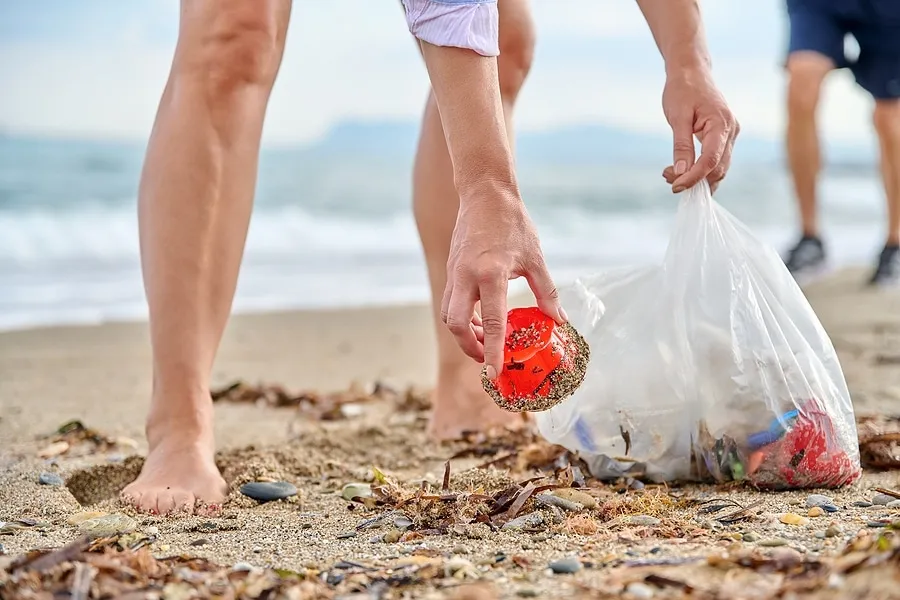
Plastic pollution is one of the biggest threats to sea turtles and marine life. Volunteers may help clean beach areas, remove plastic waste, collect bottles, fishing line, bags, and other rubbish that can harm turtles and hatchlings. Beach cleaning is simple work, but it has a real conservation value.
Turtle Care Support

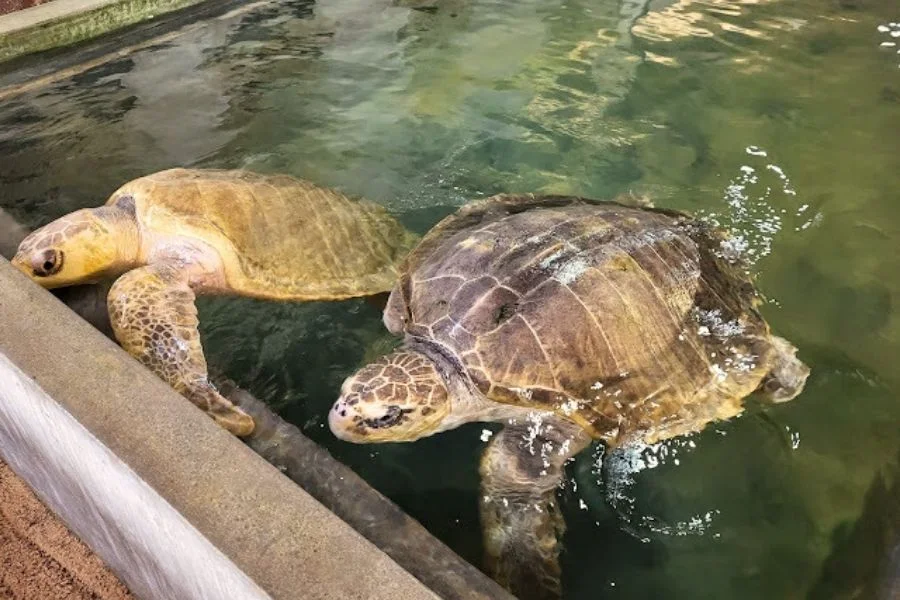
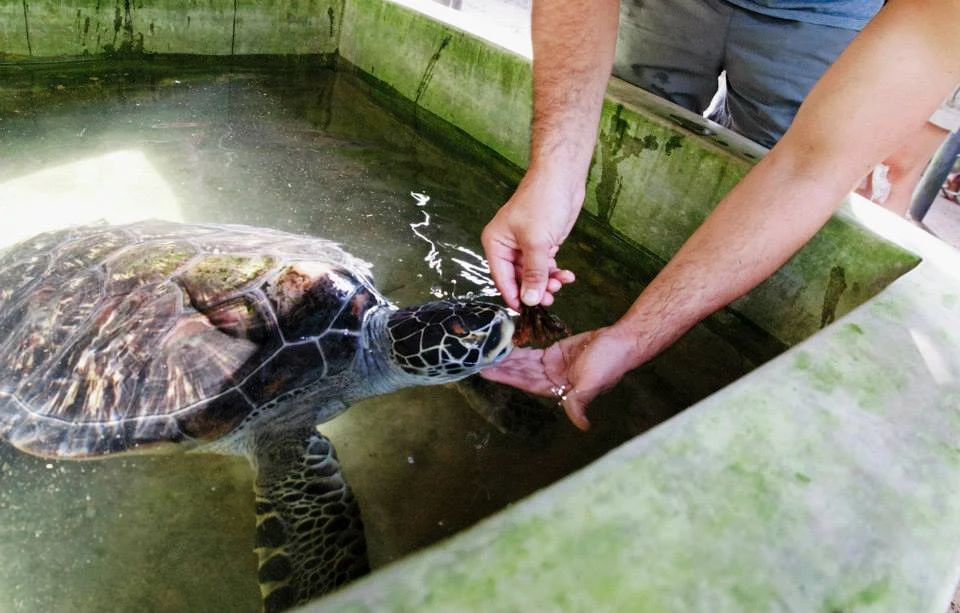
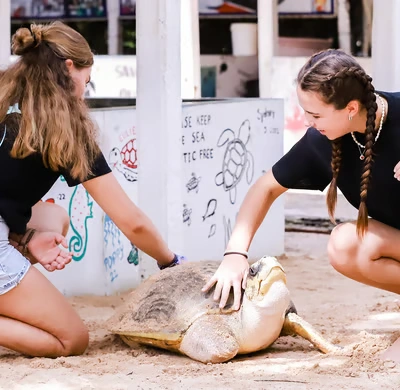
Where appropriate and under local guidance, volunteers may help support basic turtle care routines. This can include cleaning turtle care areas, helping prepare feeding support, observing turtles, and assisting the team with simple daily tasks. Volunteers must always follow the project team’s instructions. Turtle welfare comes first.
Project Cleaning and Maintenance

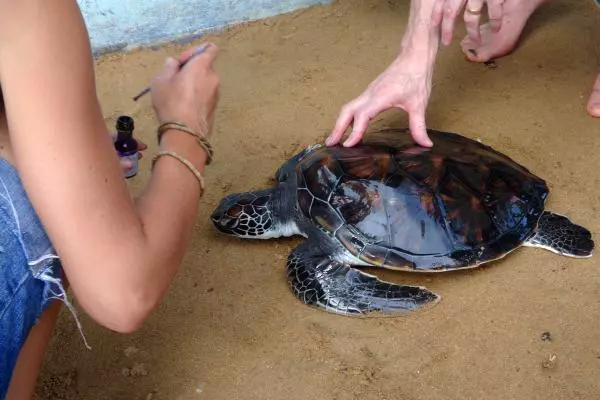
A clean and well maintained project environment is important for both turtles and visitors. Volunteers may help clean tanks or care areas where appropriate, maintain visitor areas, organize tools, and support the daily running of the project.
Visitor Education Support

Many visitors love sea turtles but do not always understand how to behave responsibly around them. Volunteers may help explain basic conservation messages, guide visitors with simple information, and support the team during educational visits.
Awareness Programs

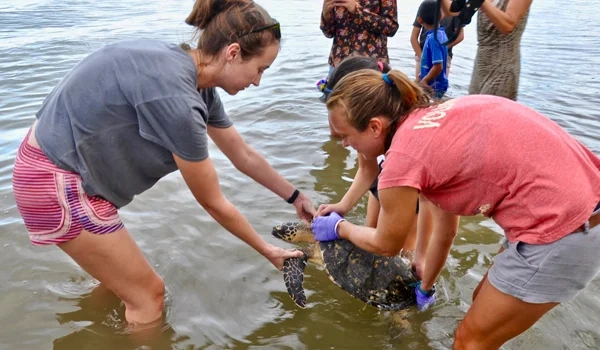
Volunteers may help with awareness activities for visitors, students, or local communities. This may include helping prepare simple educational materials, supporting beach awareness messages, or assisting with project communication.
Simple Record Keeping

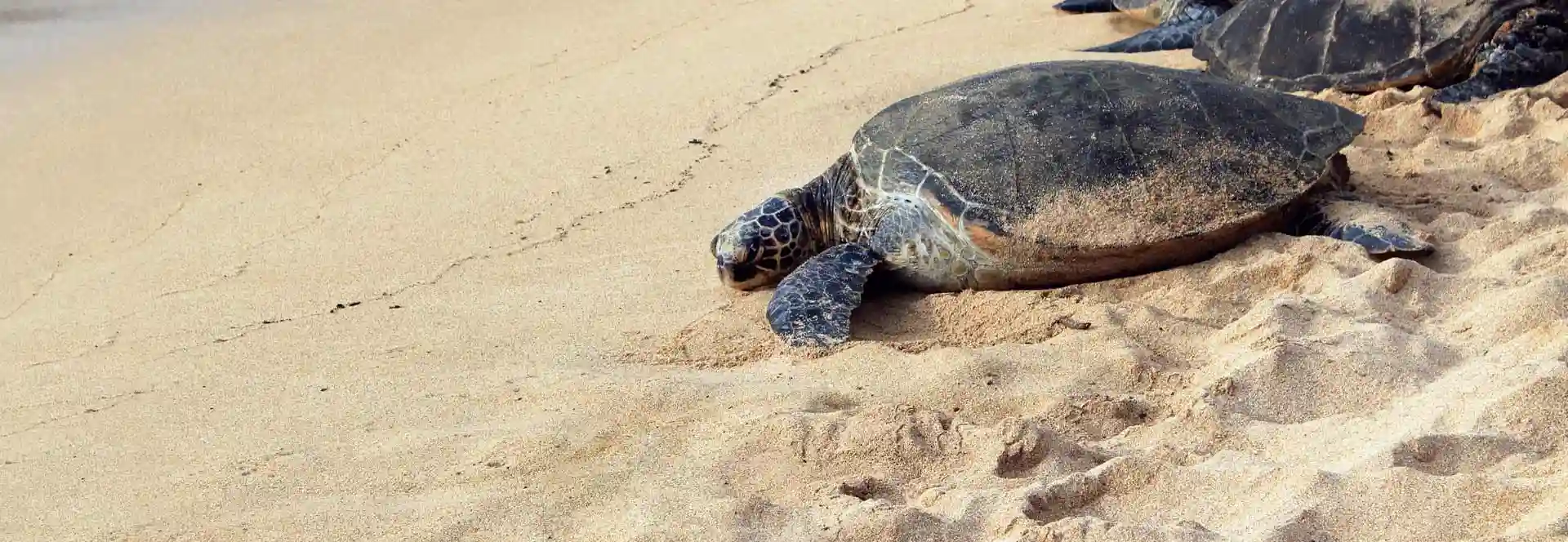
Depending on project needs, volunteers may help with basic records such as cleaning activity notes, visitor numbers, donation information, turtle care observations, or project updates.
Photography and Content Support

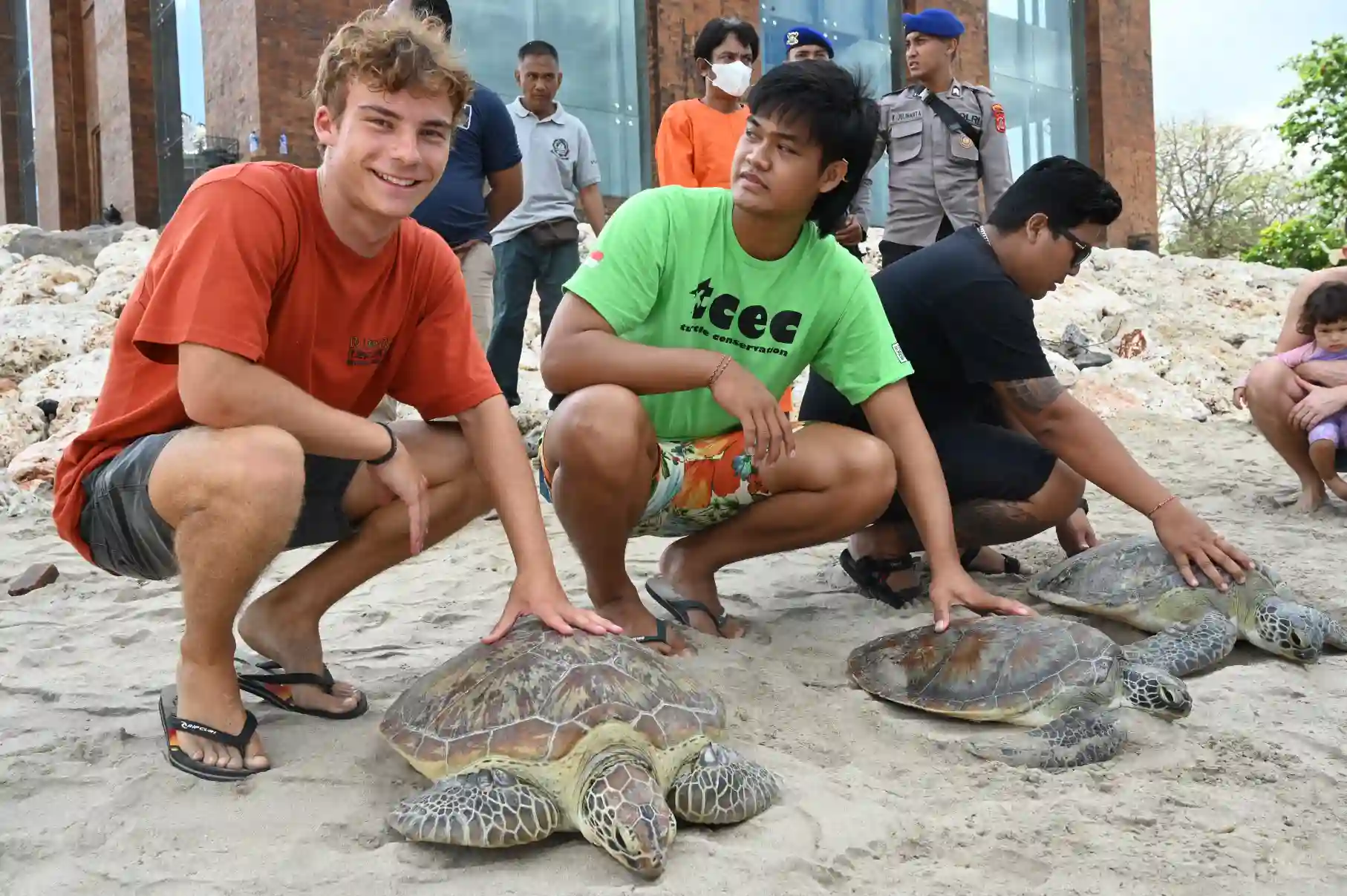
Volunteers with photography, video, writing, or social media skills may help create awareness content with permission from the project team. Content should always respect wildlife. Photos should not promote careless touching, forced releases, or unethical turtle experiences.
Responsible Hatchling Release Support

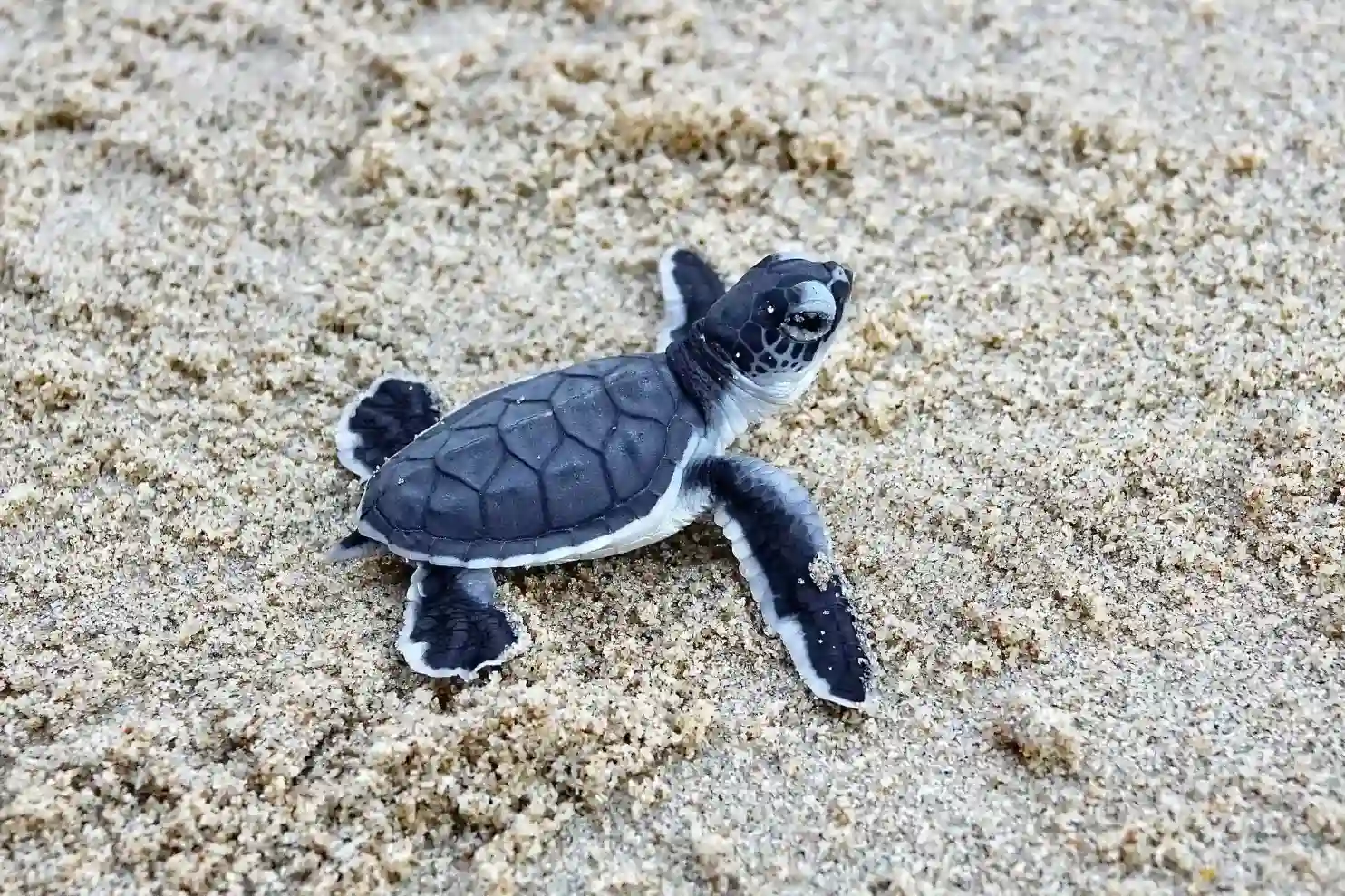
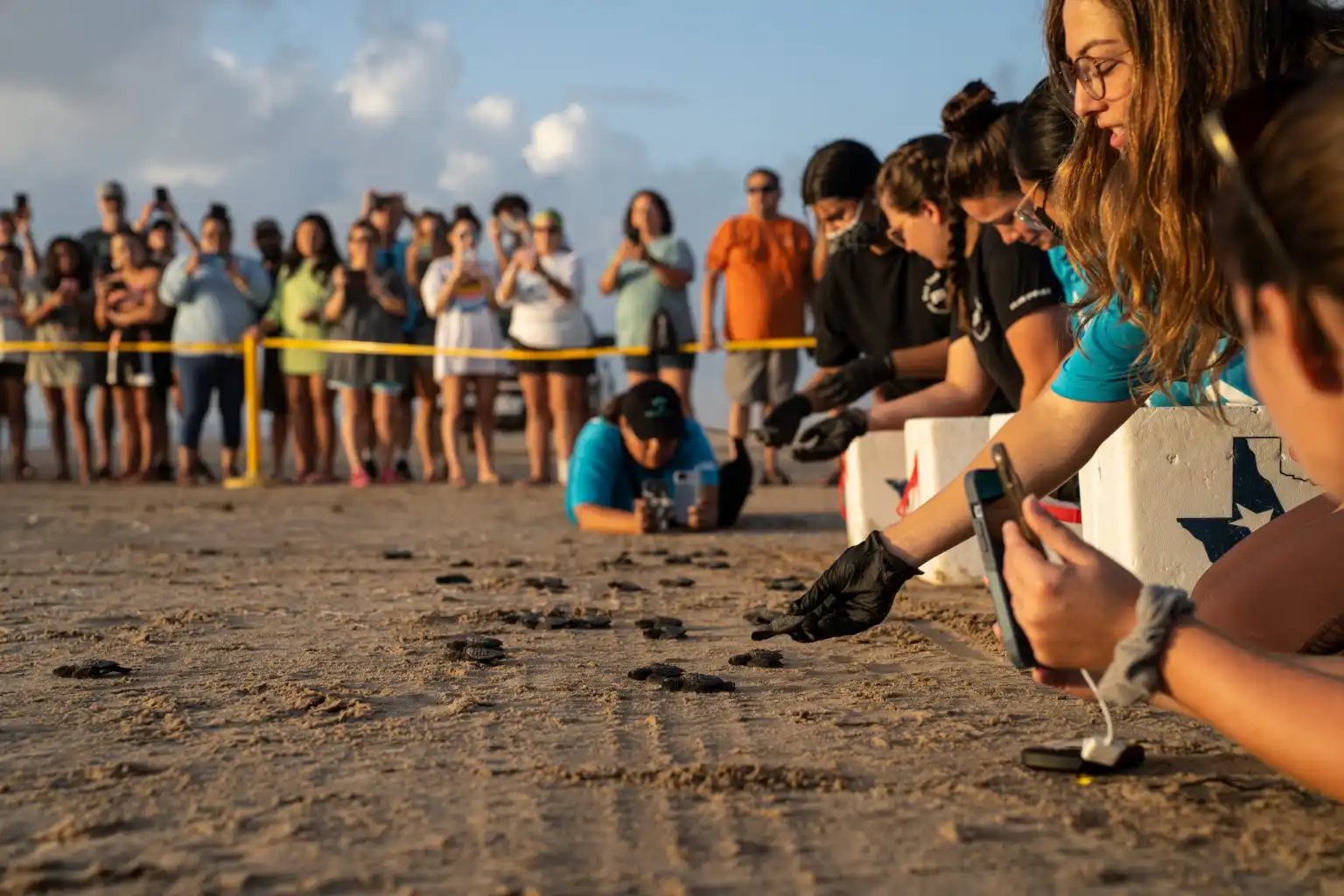
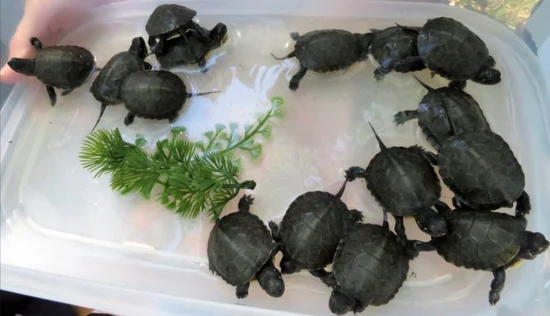
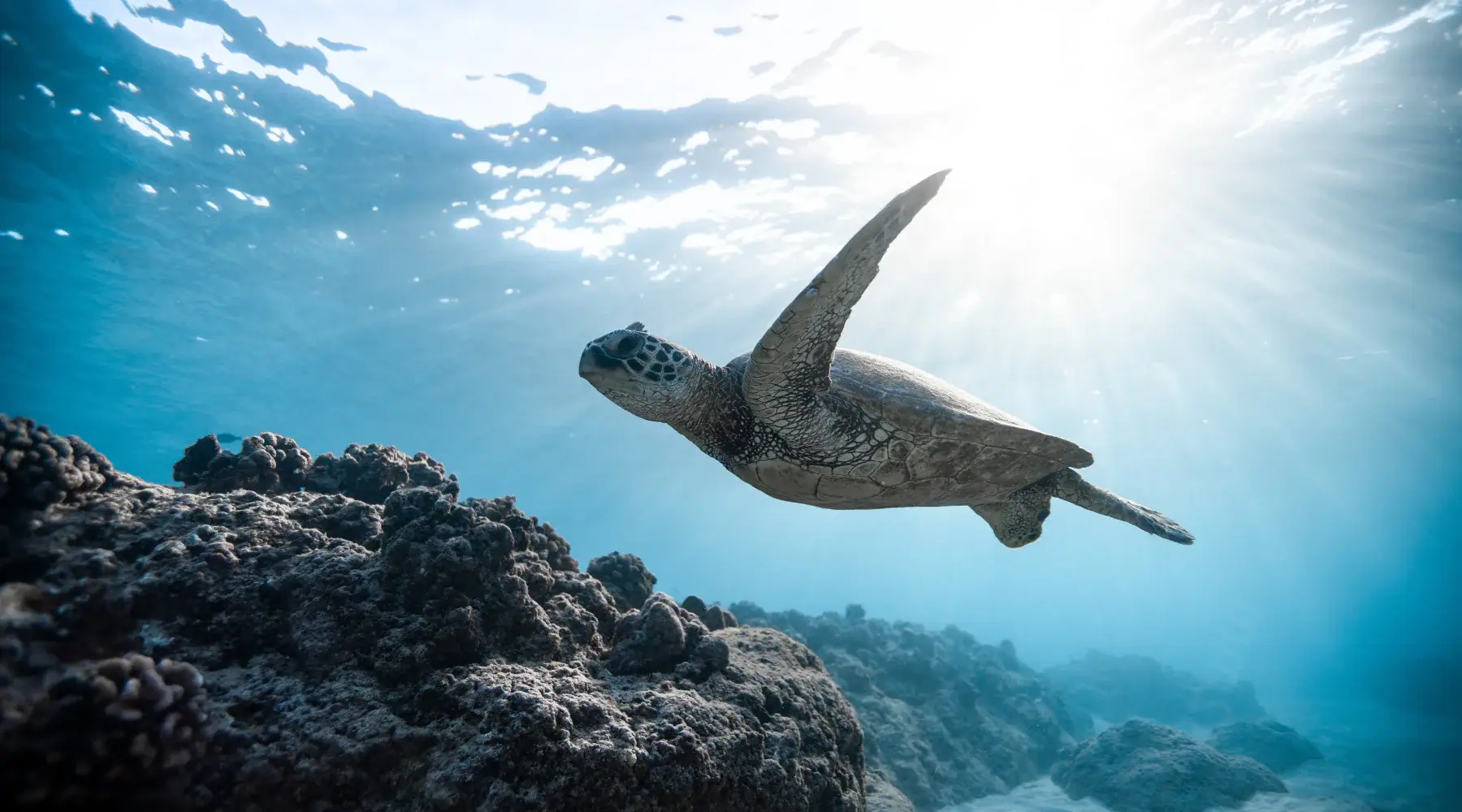
Hatchling release depends on nature, nesting season, weather, timing, and safety conditions. It cannot be guaranteed. When hatchlings are naturally ready and conditions are safe, the project team will handle releases responsibly. Volunteers may be able to observe or assist only when appropriate and under strict guidance.
Schedule

Sample Daily Volunteer Schedule

This is a sample schedule only. Actual activities may change depending on turtle activity, weather, project needs, visitor bookings, and team instructions.

Morning

Midday

Afternoon

Evening

Duration

Volunteer Program Duration Options

We recommend that volunteers stay at least one week if possible. A longer stay gives you more time to understand the project, support the team, and experience real conservation work.

One Week Volunteer Introduction

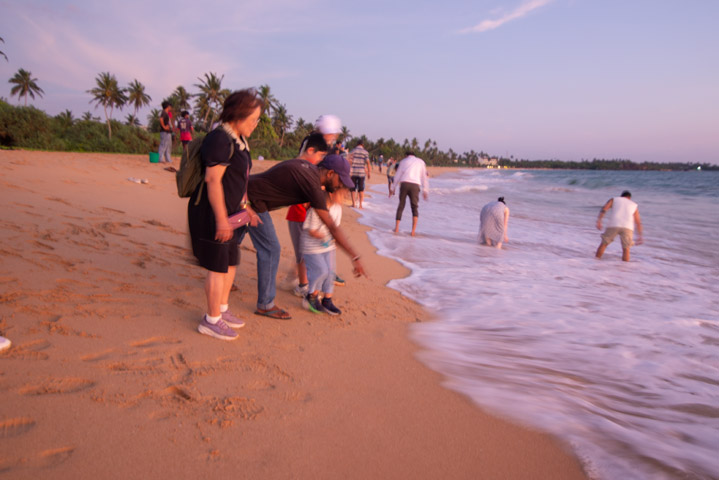
This is suitable for travellers who are already visiting Sri Lanka and want to spend meaningful time supporting conservation. Best for:
Two Week Volunteer Program

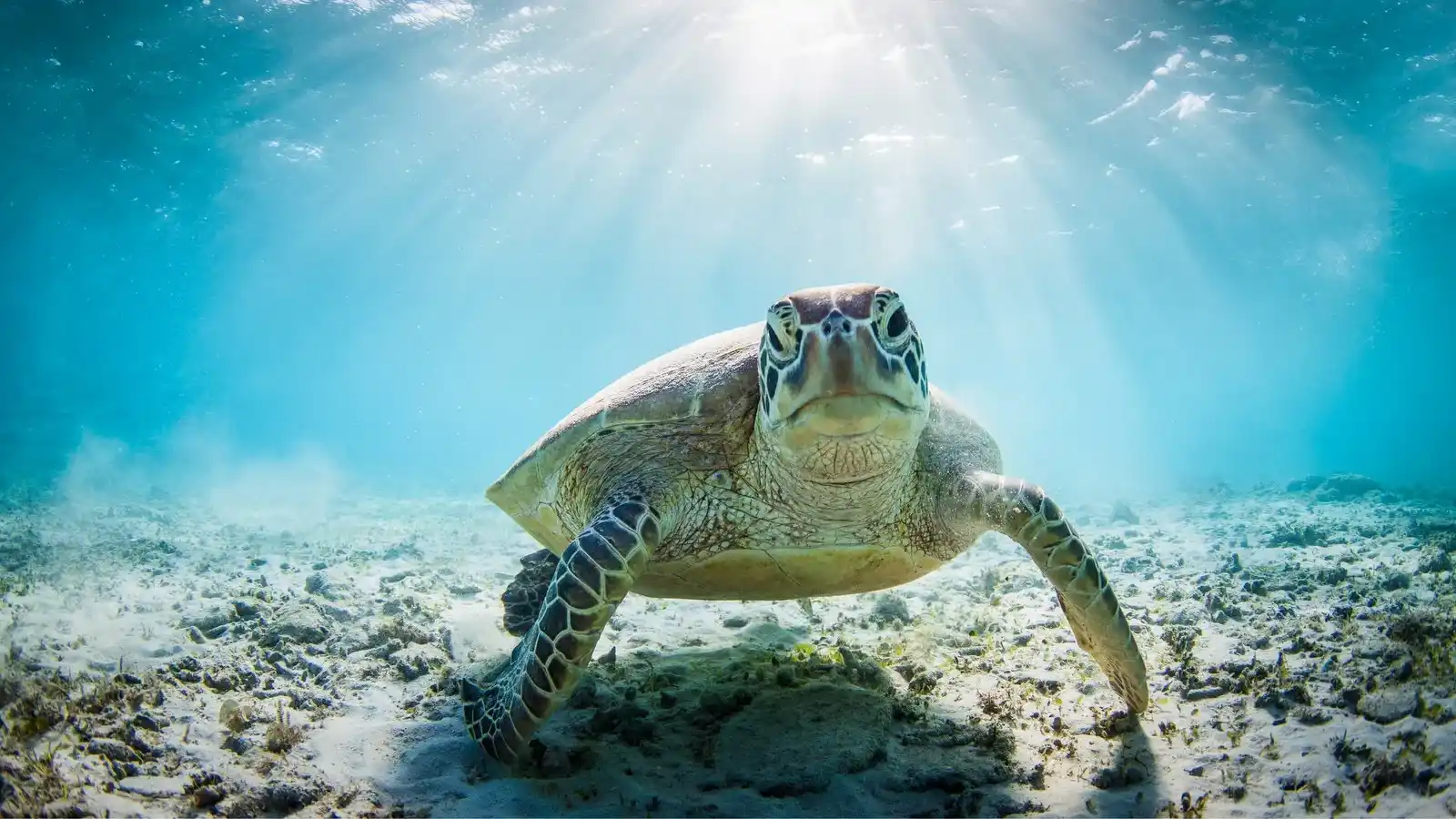
This is one of the best options for European volunteers and gap year travellers. It gives you enough time to understand the routine, support different activities, and become more involved with the project. Best for:
Four Week Conservation Experience

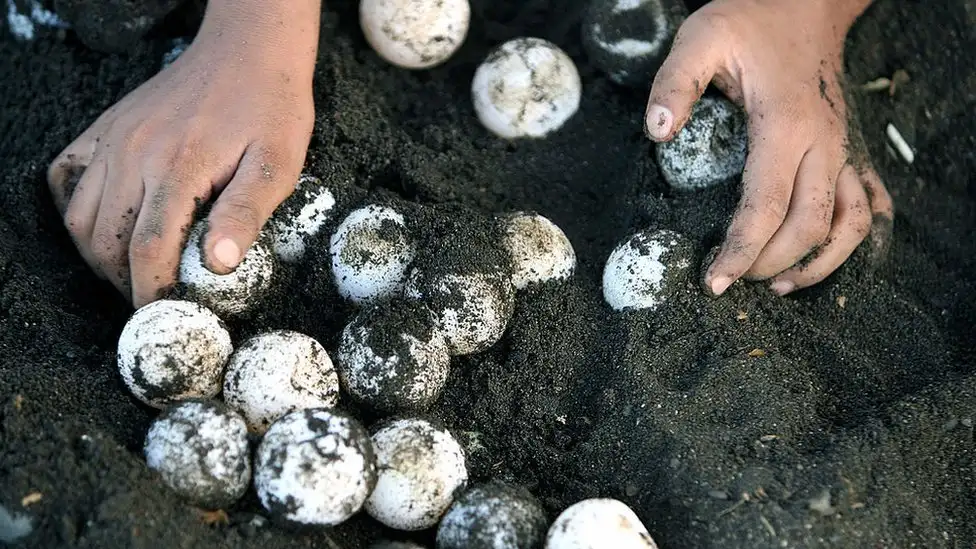
This is suitable for volunteers who want a deeper experience. A longer stay allows you to become more comfortable with the project, learn more about turtle conservation, and support the team in a more consistent way. Best for:
Student and Group Programs

We can welcome school groups, university groups, and responsible travel groups by prior arrangement. Group programs can include:
Responsible

Responsible Volunteering Policy

We want our volunteer program to be ethical, honest, and conservation focused. Sea turtles are wild animals and should not be treated as entertainment, photo props, or tourist products. Volunteers must respect project rules and understand that turtle welfare always comes first.

Our Responsible Volunteering Rules include not touching turtles unless clearly guided by the project team, not picking up hatchlings for photos, not using flash photography around turtles, not disturbing nesting turtles, not making loud noise around turtle care areas, not expecting guaranteed turtle releases, not asking for staged releases for photos or videos, not sharing misleading content about the project, always following staff instructions, and respecting local people, wildlife, and the beach environment. This responsible approach is especially important for European volunteers who are looking for ethical wildlife volunteering programs where animal welfare comes before entertainment.

What You Will Learn

Volunteering at Ahungalla Sea Turtle Conservation Project gives you a chance to learn about sea turtles, conservation challenges, Sri Lankan coastal life, and responsible tourism, including sea turtle species and nesting behaviour, threats they face, plastic pollution and marine waste, responsible wildlife tourism, basic turtle care support, beach protection, community awareness, ethical volunteering, and the connection between tourism and conservation. Our aim is for every volunteer to leave with a better understanding of sea turtles and a stronger respect for the ocean.

Important Note About Turtle Activity

Sea turtle activity depends on nature. It is affected by nesting seasons, weather, beach conditions, rescue needs, and many other natural factors. We cannot guarantee that volunteers will see nesting turtles, hatchlings, or turtle releases every day.Some volunteer days may include turtle related care or observation. Other days may focus on cleaning, project maintenance, education, awareness, and preparation. This is part of real conservation work. Volunteers who understand this usually have the most meaningful experience.

Accommodation

Accommodation and Meals

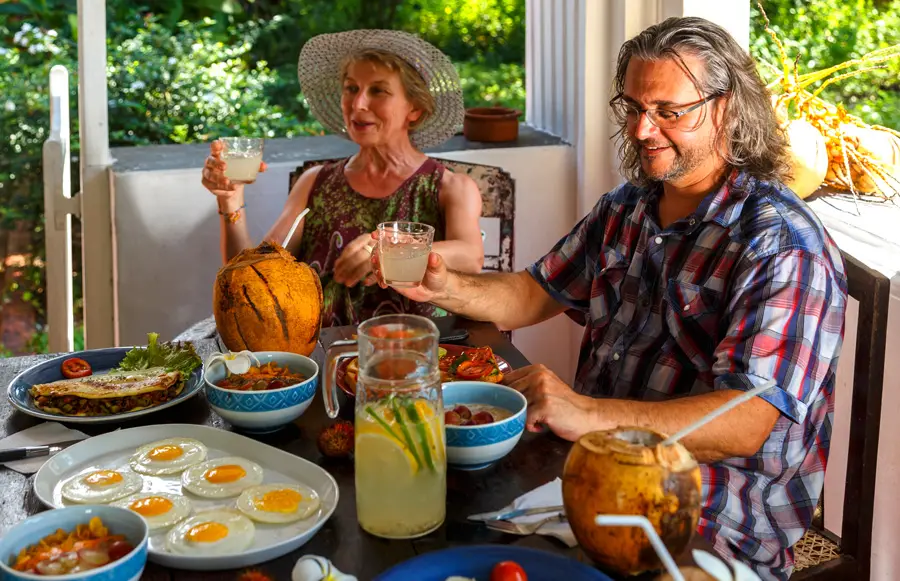
Volunteer accommodation and meal arrangements can be discussed based on your travel dates, length of stay, group size, and project availability.

We can guide volunteers with suitable local accommodation options in or around Ahungalla. Depending on the final volunteer package, accommodation and meals may be arranged as part of the program or provided separately.

Accommodation Support May Include

Meal Support May Include

Founder

Volunteer Fees and Project Support

Volunteer fees help support the daily running of the project and conservation related activities, with costs depending on the length of stay, accommodation needs, meals, airport transfers, and group size. These fees may contribute to turtle care related costs, beach cleaning materials, project maintenance, education and awareness work, local staff support, visitor learning materials, volunteer coordination, and overall conservation project development.

Volunteer program fees depend on your stay duration, accommodation preference, meal plan, and project support requirements. Please contact us with your preferred travel dates and number of weeks, and we will share the most suitable volunteer package details along with clear information about what is included and not included.

Bring

What to Bring

Volunteers should come prepared for warm coastal weather and practical conservation work. Recommended items include lightweight clothing, comfortable clothes for cleaning work, a reusable water bottle, sunscreen, hat or cap, mosquito repellent, sandals and comfortable shoes, swimwear for personal beach time, a small towel, personal medicine, travel insurance documents, a notebook for learning, and a camera or phone for personal memories used responsibly. Please avoid bringing single-use plastic where possible.

Support

Safety and Local Support

Ahungalla is a peaceful coastal area, and our team guides volunteers with basic safety information. Volunteers are expected to travel responsibly, respect local culture, and follow project instructions at all times. Safety guidance includes keeping emergency contact details with you, informing the team before travelling outside the area, respecting beach and ocean safety rules, using sun protection, wearing suitable clothing for project work, drinking enough water, and avoiding handling animals without guidance while following local customs and community rules. For young volunteers and students, parents can contact us directly before confirming the program.

Volunteer Certificate

Volunteers who complete their agreed program may receive a certificate of participation from Ahungalla Sea Turtle Conservation Project.

This certificate can be useful for students, gap year travellers, conservation learners, and people who want to show their volunteer experience.

Certificate availability can be confirmed before joining.

Fees

Volunteer Fees and Project Support

Volunteer fees help support the daily running of the project and conservation related activities. The fee structure can depend on your length of stay, accommodation needs, meals, airport transfers, and group size. Volunteer fees may support turtle care related costs, food and care support where needed, beach cleaning materials, project maintenance, education and awareness work, local staff support, visitor learning materials, volunteer coordination, and conservation project development.

Volunteer program fees depend on your stay duration, accommodation preference, meal plan, and project support requirements. We believe in transparency and recommend clearly showing what is included and not included in each package. Please contact us with your preferred dates and number of weeks, and we will share the most suitable volunteer package details.

Process

Volunteer Application Process

Joining the volunteer program is simple.

Step 1: Send Your Enquiry

Contact us with your name, country, travel dates, preferred volunteer duration, and number of people.

Step 2: We Share Program Details

Our team will explain available dates, possible activities, accommodation options, fees, and what to expect.

Step 3: Confirm Your Volunteer Stay

Once you are happy with the details, you can confirm your place.

Step 4: Prepare for Your Trip

We will guide you on what to bring, how to reach Ahungalla, and how to prepare for your volunteer experience.

Step 5: Join the Project

Arrive in Ahungalla, meet the team, receive your orientation, and begin your conservation journey.
Enquiry

Volunteer Enquiry Form Fields

FAQ

Frequently Asked Questions

Yes. Ahungalla Sea Turtle Conservation Project welcomes responsible volunteers who want to support turtle conservation, beach cleaning, education, and daily project activities.

No previous experience is required. Our team will guide you. A positive attitude, respect for wildlife, and willingness to help are more important.

You can contact us for short or longer programs. We recommend at least one week, while two weeks or more gives a deeper experience.

Turtle activity depends on nature, nesting season, weather, and safety conditions. We cannot guarantee hatchlings or releases during your stay.

We do not offer staged or guaranteed turtle releases. If hatchlings are naturally ready and conditions are safe, the project team will handle releases responsibly.

Yes. The program is suitable for European gap year travellers, students, wildlife lovers, and responsible volunteers looking for meaningful travel in Sri Lanka.

Accommodation options can be arranged or recommended depending on your dates, duration, and package. Please contact us for current options.

Yes. Families can join by prior arrangement. We can also arrange educational project visits for families with children.

A certificate of participation may be provided after completing the agreed volunteer program. Please confirm this before joining.

You can contact us by WhatsApp or email with your travel dates and volunteer duration.