

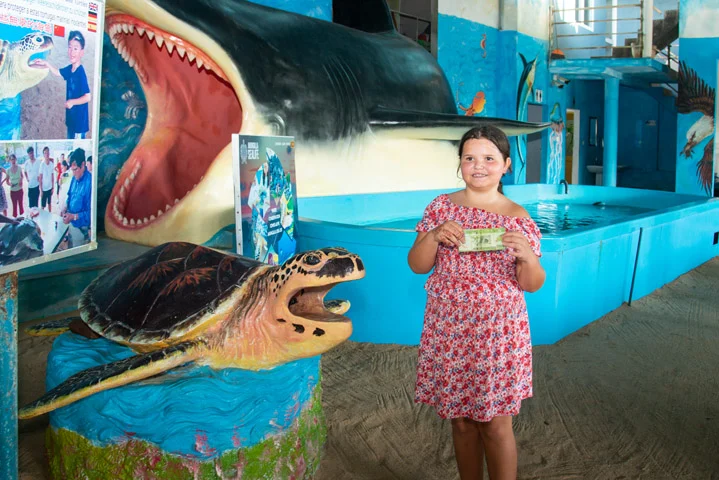
Meaningful volunteering abroad doesn’t have to cost thousands of euros. At Ahungalla Sea Turtle Conservation & Research Centre, we believe everyone should have the opportunity to contribute to genuine conservation work without financial barriers.
Our volunteer abroad programme starts from just €150 per week, including accommodation, meals, conservation training and ongoing support. This guide explains exactly what is included, why our programme is so affordable, and how you can plan an unforgettable conservation experience in Sri Lanka on a realistic budget.
Contents
- The Problem with Most Volunteer Abroad Pricing
- Our Pricing – Transparent & Honest
- What’s Included in Your Programme Fee
- How We Compare to Other Volunteer Programmes
- Total Cost for European Volunteers
- Why We Can Offer Lower Prices
- 10 Ways to Save Even More
- Is Budget Volunteering Ethical?
- What You Really Get for Your Money
- How to Apply
The Problem with Most Volunteer Abroad Pricing
The volunteer abroad industry has changed dramatically over the past two decades. Many international placement agencies now charge between €2,000 and €4,000 for only a few weeks of volunteering.
These high prices often create the impression that meaningful conservation work must be expensive. In reality, a large proportion of these fees goes towards marketing, administration, overseas offices and intermediary organisations rather than directly supporting conservation projects.
As a result, volunteers frequently pay substantially more while participating in activities that are very similar to those offered by locally operated conservation projects.
At Ahungalla, we believe volunteering should be accessible to students, graduates, gap-year travellers and anyone passionate about wildlife conservation—not only those with large travel budgets.
Why Volunteer Programmes Can Be So Expensive
Many volunteer organisations operate through international agencies based in Europe, North America or Australia. These agencies often add significant costs for:
- International marketing campaigns
- Administrative staff
- Sales commissions
- Agency management fees
- Office expenses
- Third-party placement services
While some programmes provide excellent experiences, a higher price does not automatically mean higher conservation impact or better ethical standards.
Many volunteers are surprised to discover that they are paying for the agency—not necessarily for improved wildlife conservation.
Our Pricing – Transparent & Honest
Unlike international placement agencies, Ahungalla Sea Turtle Conservation & Research Centre is a locally operated conservation project.
We work directly with volunteers, allowing us to keep costs low while ensuring that more of your programme fee supports conservation activities, animal welfare and local employment.
There are:
- No application fees
- No hidden administration costs
- No processing charges
- No unexpected compulsory extras
The price you see is the price you pay.
Volunteer Programme Prices
| Programme Length | Total Price | Weekly Cost |
|---|---|---|
| 1 Week | €250 | €250/week |
| 2 Weeks | €400 | €200/week |
| 3 Weeks | €525 | €175/week |
| 1 Month or Longer | €600/month | From €150/week |
Longer stays provide the best overall value while allowing volunteers to contribute more meaningfully to conservation projects and gain greater practical experience.
Everything Included in Your Programme Fee
Your volunteer fee includes everything needed for a safe, rewarding and meaningful conservation experience.
- Shared volunteer accommodation
- Breakfast, lunch and dinner every day
- Complete conservation orientation
- Daily training and supervision
- All conservation equipment and materials
- Night patrol guidance
- Safety briefings
- Access to project research resources
- Daily team briefings and debriefs
- 24/7 WhatsApp support
- Welcome information pack
- Volunteer completion certificate
- Local support throughout your stay
Everything is designed so that volunteers can focus on conservation rather than worrying about hidden costs or unexpected expenses.
What Is Not Included?
We believe in complete transparency. While our programme fee includes accommodation, meals and conservation activities, there are a few personal travel expenses that every volunteer should budget for separately.
The following items are not included in the programme fee:
- International return flights to Sri Lanka.
- Sri Lanka ETA visa (approximately €45).
- Comprehensive travel insurance.
- Personal spending money.
- Souvenirs and optional day trips.
- Extra meals or drinks outside the project.
- Airport pickup (available as an optional service).
By keeping these optional costs separate, volunteers only pay for the services they actually need, helping us maintain affordable programme fees.
How We Compare to Other Volunteer Abroad Programmes
Many volunteers assume that paying more automatically means receiving a better experience. In reality, higher prices often reflect agency commissions and administrative costs rather than improved conservation outcomes.
| Programme | Weekly Cost | Accommodation | Meals | Real Conservation | Ethical Practices |
|---|---|---|---|---|---|
| Ahungalla (1 Month+) | €150/week | ✔ | ✔ | ✔ | ✔ |
| Ahungalla (2 Weeks) | €200/week | ✔ | ✔ | ✔ | ✔ |
| UK Placement Agencies | €350–600/week | ✔ | ✔ | Varies | Varies |
| International NGO Programmes | €400–700/week | ✔ | ✔ | ✔ | ✔ |
| Galápagos Conservation | €700–1,200/week | ✔ | ✔ | ✔ | ✔ |
| Kenya / Tanzania Conservation | €400–700/week | ✔ | ✔ | ✔ | Varies |
Our goal isn’t to be the cheapest programme available—it’s to offer the best value while maintaining high standards of conservation, animal welfare and volunteer support.
Total Cost for a European Volunteer
To help you budget realistically, here’s a complete estimate of what a volunteer from Europe can expect to spend.
Option A – One Week Programme
| Return Flights | €450–650 |
| Volunteer Programme | €250 |
| Sri Lanka ETA Visa | €45 |
| Travel Insurance | €40–80 |
| Personal Spending | Approximately €350 |
| Total Estimated Cost | €1,135–1,375 |
|---|
Option B – Two Week Programme
| Return Flights | €450–650 |
| Volunteer Programme | €400 |
| Sri Lanka ETA Visa | €45 |
| Travel Insurance | €50–90 |
| Personal Spending | Approximately €560 |
| Total Estimated Cost | €1,505–1,745 |
|---|
Option C – One Month Programme (Best Value)
The one-month programme offers the lowest weekly cost and provides the best balance between conservation experience and travel expenses. Since your international flight cost remains the same regardless of programme length, staying longer significantly improves the overall value of your trip.
Why Can We Offer Lower Prices?
People often ask how we’re able to provide a genuine conservation programme at such an affordable price.
The answer is simple—we operate differently from many international volunteer agencies.
We Work Directly With Volunteers
Instead of using overseas placement agencies, volunteers book directly with our conservation project. This removes expensive middlemen and allows more of your programme fee to support conservation activities.
We’re Locally Operated
Our project is managed in Sri Lanka, where operating costs are naturally lower than those of organisations based in Europe, North America or Australia.
We Keep Administration Lean
Rather than spending heavily on marketing and large administrative teams, we invest our resources where they matter most:
- Sea turtle conservation.
- Animal care.
- Volunteer support.
- Education programmes.
- Research activities.
- Local employment.
Our affordable pricing reflects operational efficiency—not reduced quality. Every volunteer still receives professional supervision, meaningful conservation work and a supportive environment throughout their stay.
10 Tips to Reduce Your Total Cost Further
Volunteering in Sri Lanka is already one of the most affordable conservation experiences available, but with a little planning you can reduce your overall travel costs even further without compromising your experience.
1. Book Flights 3–4 Months in Advance
Flight prices to Colombo change frequently. Booking several months ahead can often save between €200–300 compared with last-minute bookings.
2. Stay Longer
The longer your programme, the lower your weekly cost. A one-month placement offers the best overall value because your flight cost is spread over a longer stay.
3. Use Flight Price Alerts
Set alerts using Google Flights or Skyscanner to receive notifications when prices drop.
4. Buy a Local SIM Card
Local SIM cards cost around €5–10 and provide excellent mobile data throughout Sri Lanka, helping you avoid expensive roaming charges.
5. Eat at Local Restaurants During Free Time
Traditional Sri Lankan rice and curry meals usually cost between €1.50–2.50 and offer a much more authentic experience than tourist restaurants.
6. Use Public Transport
Sri Lanka’s buses are inexpensive and reliable. For example, a bus journey from Ahungalla to Galle costs less than €1.
7. Travel With Other Volunteers
Sharing transport for safaris, whale watching trips and sightseeing significantly reduces individual costs while making the experience even more enjoyable.
8. Visit Free Attractions
Some of Sri Lanka’s best experiences cost nothing, including Hikkaduwa Beach, Galle Fort, Ella Rock and many local markets.
9. Apply for Your ETA Through the Official Website
Avoid third-party visa services that charge unnecessary fees. Apply directly through the official Sri Lanka ETA portal.
10. Budget Wisely
A personal spending budget of approximately €30–50 per day is comfortable for most European volunteers while still allowing plenty of opportunities to explore Sri Lanka.
Is Budget Volunteering Ethical?
This is one of the most important questions any volunteer should ask before joining a programme.
Unfortunately, some low-cost volunteer programmes reduce prices by compromising animal welfare, underpaying local staff or creating activities that prioritise tourist entertainment over genuine conservation.
Affordable should never mean unethical.
Warning Signs of Unethical Volunteer Programmes
- Animals handled purely for tourist photos.
- Wildlife performances or entertainment.
- No published animal welfare policy.
- Very little supervision.
- No evidence of real conservation outcomes.
- Local staff paid unfair wages.
- Overcrowded volunteer groups.
What Ethical Volunteer Programmes Look Like
- Animal welfare always comes first.
- Professional conservation staff.
- Transparent conservation goals.
- No commercial exploitation of wildlife.
- Meaningful volunteer responsibilities.
- Fair employment for local communities.
- Clear conservation impact.
At Ahungalla, our lower prices reflect efficient local management—not reduced standards. Every volunteer contributes to genuine conservation while working alongside experienced local conservationists.
What You Really Get for Your Money
The value of volunteering extends far beyond accommodation and meals.
Throughout your programme you’ll gain experiences that remain valuable long after returning home.
- Hands-on sea turtle conservation experience.
- Practical wildlife management skills.
- Cross-cultural communication experience.
- Leadership and teamwork skills.
- Greater confidence and independence.
- Professional experience valued by universities and employers.
- Friendships with volunteers from around the world.
- A deeper understanding of marine conservation.
Perhaps most importantly, you’ll leave knowing you contributed to protecting one of the world’s most endangered groups of marine animals.
“I researched volunteer programmes for months before choosing Ahungalla because I couldn’t understand how it could be so much cheaper than other organisations. After three weeks, I realised the lower cost simply came from booking directly with the project instead of paying large agency fees. The conservation work was real, the staff were incredibly knowledgeable, and I genuinely felt that my contribution mattered.”
— Pieter, Netherlands (3-Week Volunteer)
Many volunteers say the memories become the most valuable part of the experience—the turtle emerging from the sea under the moonlight, hatchlings making their first journey to the ocean, shared meals after successful patrols and lifelong friendships built through a common purpose.
How to Apply
Applying is simple.
We don’t require lengthy application forms or complicated selection processes. We simply want to know that you’re genuinely interested in contributing to sea turtle conservation.
When you contact us, please tell us:
- Your preferred travel dates.
- How long you’d like to volunteer.
- A little about yourself.
- Why you’re interested in joining the programme.
Once your place is confirmed, you’ll receive a comprehensive pre-arrival guide containing:
- Packing checklist.
- Visa guidance.
- Arrival instructions.
- Transport information.
- Project orientation details.
- Everything you need before travelling.
We recommend applying 4–6 weeks before your preferred start date, especially between November and March when demand is highest. However, we can often accommodate last-minute bookings if space is available. :contentReference.
Start Your Affordable Volunteer Adventure
You don’t need a huge budget to make a meaningful impact.
With programmes starting from just €150 per week, including accommodation, meals and conservation training, volunteering with sea turtles in Sri Lanka is one of the most affordable and rewarding conservation experiences available.
Join us, protect endangered sea turtles and create memories that will stay with you for a lifetime.
Apply today – it’s free to apply.