

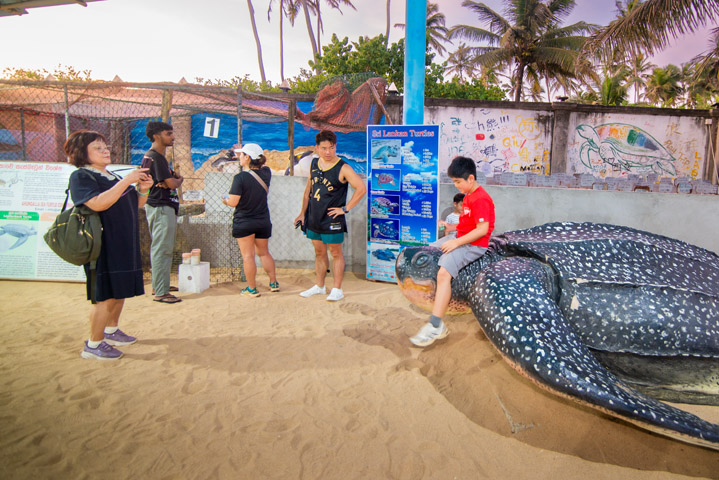
Volunteering with sea turtles in Sri Lanka is one of the most rewarding, meaningful, and genuinely impactful travel experiences available to anyone who cares about the natural world.
At the Ahungalla Sea Turtle Conservation & Research Centre, located on Sri Lanka’s beautiful southwest coast, volunteers don’t simply observe conservation from the sidelines—they become an essential part of the daily effort to protect one of the planet’s oldest and most endangered marine species.
This guide covers everything you need to know before joining the programme, including daily activities, accommodation, pricing, what is included, and what life is really like as a volunteer.
Table of Contents
- Why Volunteer with Sea Turtles in Sri Lanka?
- About the Ahungalla Sea Turtle Conservation Project
- Sea Turtle Species Found in Sri Lanka
- Volunteer Activities
- A Typical Volunteer Day
- Programme Duration & Pricing
- What’s Included
- Who Can Volunteer?
- Location & Getting There
- Frequently Asked Questions
- How to Apply
Why Volunteer with Sea Turtles in Sri Lanka?
Sri Lanka’s southern and southwestern coastlines are among the most important sea turtle nesting habitats in Asia. For millions of years, sea turtles have returned to these beaches to lay their eggs, following one of nature’s most remarkable life cycles.
Today, however, these incredible animals face serious threats including:
- Plastic pollution
- Ghost fishing nets
- Egg poaching
- Coastal development
- Artificial lighting on nesting beaches
- Climate change affecting nest temperatures
Despite being protected by Sri Lankan law, sea turtle populations continue to decline because of these human-caused pressures.
As a volunteer, you’ll become part of a genuine conservation programme where your work has a direct impact.
Instead of simply watching wildlife, you’ll actively help protect nesting beaches, care for injured turtles, relocate vulnerable nests, educate visitors, and support long-term conservation efforts.
Your Impact as a Volunteer
- Patrol nesting beaches at night
- Protect vulnerable turtle nests
- Feed and care for rescued turtles
- Help release hatchlings safely into the ocean
- Educate visitors about marine conservation
- Support scientific research and data collection
Sri Lanka is also one of the best destinations for conservation volunteering because it is safe, affordable, culturally rich, and offers incredible biodiversity within a relatively small island.
About the Ahungalla Sea Turtle Conservation Project
The Ahungalla Sea Turtle Conservation & Research Centre is located between the popular beach towns of Hikkaduwa and Bentota on Sri Lanka’s southwest coast.
The project operates throughout the year and welcomes volunteers from around the world who want to contribute to meaningful marine conservation.
Its primary focus is:
- Sea Turtle Conservation
- Sea Turtle Rehabilitation
- Marine Education
- Shark Awareness
- Scientific Research
The conservation team consists of experienced local conservationists together with international volunteers representing more than thirty countries.
Our Conservation Principles
- Animal welfare always comes first.
- No handling turtles for tourist entertainment.
- No staged hatchling releases.
- No commercial activities that compromise conservation.
- Every activity follows ethical wildlife conservation practices.
The project is officially registered with the Sri Lanka Tourism Development Authority (SLTDA) and has received positive reviews from volunteers, conservation organisations, and travel writers worldwide.
The Five Sea Turtle Species Found in Sri Lanka
Five different sea turtle species occur in Sri Lankan waters, each playing an important role in maintaining healthy marine ecosystems.
Hawksbill Turtle (Critically Endangered)
The Hawksbill Turtle is recognised by its narrow, pointed beak and beautifully patterned shell. Historically hunted for the tortoiseshell trade, it is now one of the world’s most endangered sea turtle species.
Green Turtle (Vulnerable)
The Green Turtle is the species most commonly encountered along Sri Lanka’s coastline. It feeds mainly on seagrass and algae, helping maintain healthy seagrass beds and coral reef ecosystems.
Olive Ridley Turtle (Vulnerable)
The Olive Ridley is the smallest sea turtle species found in Sri Lanka. It faces significant threats from fishing nets, nesting beach disturbance, and egg poaching.
Loggerhead Turtle (Vulnerable)
Recognised by its large head and powerful jaws, the Loggerhead feeds mainly on hard-shelled crabs and molluscs. Although less commonly seen, it remains an important species within the Indian Ocean ecosystem.
Leatherback Turtle (Critically Endangered)
The Leatherback is the world’s largest sea turtle, reaching lengths of more than two metres. Unlike other turtles, it has a flexible leathery shell and can dive deeper than 1,000 metres while searching for jellyfish.
Although sightings in Sri Lankan waters are rare, every observation provides valuable information for conservation research.
What Will You Do as a Volunteer?
One of the most common questions prospective volunteers ask is, “What will I actually be doing?”
The answer is simple—real conservation work.
This isn’t volunteer tourism where you’re given tasks just to stay busy. Every activity directly supports the daily operation of the Ahungalla Sea Turtle Conservation & Research Centre and contributes to protecting Sri Lanka’s endangered sea turtles.
Below are the main activities you’ll participate in during your volunteer programme.
🐢 Turtle Feeding & Daily Care
Every morning begins with preparing food and feeding the turtles living at the conservation centre.
Some turtles are permanent residents because injuries prevent them from surviving in the wild, while others are undergoing rehabilitation before being released back into the ocean.
During feeding sessions you’ll learn:
- The dietary requirements of different sea turtle species.
- How to recognise healthy behaviour.
- Signs of stress or illness.
- Safe feeding practices that minimise stress to the animals.
This daily routine also helps volunteers become familiar with each turtle’s unique personality and behaviour.
🌙 Night Beach Patrols
Night patrols are one of the most unforgettable experiences of the programme.
Female sea turtles usually come ashore between 8:00 PM and 4:00 AM to lay their eggs.
Accompanied by experienced local conservation staff, volunteers quietly patrol nesting beaches using red-filtered torches that minimise disturbance to nesting turtles.
When a turtle is found, volunteers assist by recording important conservation data including:
- Species identification
- Size measurements
- General health condition
- Nest location
- Estimated egg count
If a nest is threatened by flooding, predators or poaching, the eggs are carefully relocated to the protected hatchery.
🥚 Hatchery Management
The hatchery provides a safe environment where relocated turtle eggs develop under carefully monitored conditions until they hatch naturally.
Volunteer responsibilities include:
- Maintaining hatchery facilities.
- Monitoring nest temperatures.
- Checking humidity levels.
- Recording incubation data.
- Observing nests for signs of hatching.
When hatchlings begin emerging, volunteers assist conservation staff by carefully excavating hatchlings trapped beneath the sand while ensuring minimal disturbance.
🐣 Hatchling Releases
Watching newly hatched turtles begin their first journey to the ocean is one of the most emotional experiences for volunteers.
At Ahungalla, hatchling releases are conducted responsibly and ethically.
Unlike some tourist attractions, hatchlings are never released simply for photographs or entertainment.
Releases only take place when:
- The hatchlings are naturally ready.
- Weather conditions are suitable.
- Tidal conditions are safe.
- The release offers the highest possible survival rate.
This animal-first approach ensures every hatchling has the greatest chance of reaching the ocean safely.
🏖️ Beach Clean-Ups
Plastic pollution is one of the greatest threats facing sea turtles today.
Regular beach clean-ups are an essential part of the conservation programme and help protect both nesting beaches and the wider marine ecosystem.
Volunteers work together to:
- Collect plastic waste.
- Separate rubbish into categories.
- Record pollution data.
- Remove hazards from nesting beaches.
Besides improving turtle habitat, these clean-ups also provide valuable information for long-term marine pollution research.
🔬 Research & Data Collection
Successful conservation depends on accurate scientific data.
Throughout the programme volunteers help collect and organise information that supports ongoing conservation research.
Typical tasks include:
- Recording nesting activity.
- Monitoring hatchling survival rates.
- Documenting beach conditions.
- Photographing wildlife observations.
- Entering conservation data.
- Supporting field surveys.
Volunteers with backgrounds in biology, ecology, environmental science or data management may also have opportunities to assist with more advanced research projects during longer placements.
📚 Visitor Education & Awareness
Education is one of the most powerful conservation tools.
Every day visitors come to the conservation centre to learn about Sri Lanka’s sea turtles.
Volunteers often assist with guided educational tours by explaining:
- The biology of sea turtles.
- Their ecological importance.
- The threats they face.
- How people can reduce plastic pollution.
- Responsible wildlife tourism practices.
Helping visitors understand conservation creates a lasting impact that extends well beyond the project itself.
🏥 Turtle Rehabilitation Support
The conservation centre regularly receives injured, sick and stranded turtles rescued by fishermen, local communities and wildlife authorities.
These turtles often require weeks or months of rehabilitation before they can safely return to the ocean.
Volunteers assist experienced staff with:
- Cleaning tanks.
- Preparing food.
- Supporting medical care.
- Monitoring recovery progress.
- Maintaining rehabilitation facilities.
This work requires patience, compassion and a genuine commitment to animal welfare, making it one of the most rewarding aspects of the programme.
Every Day Makes a Difference
No two days are ever exactly the same.
Turtle nesting, hatchlings, weather conditions and rehabilitation needs change daily, meaning every volunteer experiences something unique while making a genuine contribution to sea turtle conservation in Sri Lanka.
A Typical Volunteer Day
Every day at the Ahungalla Sea Turtle Conservation & Research Centre is different depending on the season, weather conditions, turtle activity, and conservation priorities. However, most days follow a structured routine that balances meaningful conservation work with free time to relax or explore Sri Lanka.
Sample Daily Schedule
| Time | Activity |
|---|---|
| 7:30 AM | Breakfast |
| 8:30 AM | Morning briefing and daily task allocation |
| 9:00 AM – 12:30 PM | Volunteer activities including turtle feeding, hatchery maintenance, beach clean-ups, visitor education, rehabilitation support and conservation work. |
| 12:30 PM | Lunch |
| Afternoon | Free time to relax, explore nearby beaches, visit local attractions or spend time with other volunteers. |
| Evening | Dinner followed by optional night beach patrols during nesting season. |
Please note that the schedule may change depending on conservation priorities and turtle activity. Wildlife always comes first, so flexibility is an important part of the volunteer experience.
Programme Duration
The programme is designed to be flexible, allowing volunteers to join for anything from a short holiday placement to several months of conservation experience.
- 1 Week
- 2 Weeks
- 3 Weeks
- 1 Month
- 2 Months
- 3 Months or longer (subject to availability)
Many volunteers initially book one or two weeks and later decide to extend their stay after experiencing the project.
Programme Fees
| Duration | Price |
|---|---|
| 1 Week | €200 |
| 2 Weeks | €400 |
| 3 Weeks | €525 |
| 4 Weeks | €600 |
| Additional Weeks | From €150 per week |
Longer stays offer the best value and provide more opportunities to develop practical conservation skills while making a greater contribution to the project.
What’s Included?
Your programme fee covers everything you need for a comfortable and rewarding volunteer experience.
Accommodation
- Shared volunteer accommodation
- Comfortable bedrooms
- Shared bathrooms
- Wi-Fi access
- Safe and friendly environment
- Walking distance from the conservation centre
Meals
Three freshly prepared meals are provided each day.
- Breakfast
- Lunch
- Dinner
Meals are mainly traditional Sri Lankan cuisine with vegetarian options available.
Training & Orientation
On arrival, every volunteer receives a full orientation covering:
- Project introduction
- Health and safety
- Animal welfare guidelines
- Daily routines
- Volunteer responsibilities
- Conservation procedures
No previous experience with sea turtles or wildlife conservation is required. Everything you need to know will be explained by the project team.
Volunteer Support
Throughout your stay you’ll receive support from experienced conservation staff who are available to answer questions, provide guidance and ensure you get the most from your experience.
Also Included
- Project orientation
- Conservation training
- Certificate of Participation
- Local support throughout your stay
- Opportunity to meet volunteers from around the world
What’s Not Included?
The following expenses are not included in the programme fee:
- International flights
- Sri Lanka ETA visa
- Travel insurance
- Personal expenses
- Optional weekend tours and activities
- Airport transfers (unless booked separately)
We strongly recommend arranging comprehensive travel insurance before travelling to Sri Lanka.
Who Can Volunteer?
The Sea Turtle Volunteer Programme is open to anyone with a genuine interest in wildlife conservation, marine life and environmental protection.
You do not need previous experience working with sea turtles or wildlife. All training is provided by the project team when you arrive.
This Programme is Perfect For:
- Gap year travellers
- University students
- Graduates
- Marine biology students
- Environmental science students
- Wildlife enthusiasts
- Nature photographers
- Solo travellers
- Couples
- Families (subject to approval)
- Anyone looking for a meaningful travel experience
Volunteers come from many different backgrounds and nationalities, creating a friendly and supportive international community.
Volunteer Accommodation
During your stay, you’ll be accommodated in comfortable volunteer housing located close to the conservation centre and the beach.
The accommodation is designed to provide everything you need while allowing you to experience authentic Sri Lankan coastal life.
Accommodation Includes:
- Shared volunteer rooms
- Comfortable beds
- Shared bathrooms
- Wi-Fi access
- Fan-cooled rooms
- Secure environment
- Common areas for relaxing and socialising
The accommodation encourages volunteers to meet people from around the world and build lasting friendships throughout their stay.
Meals
Three freshly prepared meals are provided every day throughout your programme.
Meals are prepared using fresh local ingredients and introduce volunteers to traditional Sri Lankan cuisine.
Typical Meals Include:
- Rice and curry
- Fresh tropical fruits
- Vegetable dishes
- Chicken and fish options
- Fresh juices
- Tea and coffee
Vegetarian meals can be arranged. Please let the team know in advance if you have any dietary requirements or food allergies.
Project Location
The conservation project is based in Ahungalla, a peaceful coastal town on Sri Lanka’s southwest coast.
The location offers the perfect balance between conservation work and relaxation, with beautiful beaches just a short walk from the project.
Nearby Destinations
- Bentota
- Hikkaduwa
- Galle Fort
- Mirissa
- Colombo
During your free time you can easily explore beaches, cafés, cultural sites and national parks across southern Sri Lanka.
Getting There
Most volunteers arrive via Bandaranaike International Airport (CMB) in Colombo.
From the airport you can travel to Ahungalla by:
- Private taxi
- Airport transfer
- Train
- Public bus
Detailed arrival instructions are provided after your booking has been confirmed.
What to Pack
Sri Lanka has a tropical climate, so lightweight clothing is recommended.
Recommended Packing List
- Lightweight clothing
- Comfortable walking shoes
- Flip-flops or sandals
- Reusable water bottle
- Sun hat
- Sunglasses
- High SPF sunscreen
- Mosquito repellent
- Rain jacket (seasonal)
- Swimwear
- Personal medications
- Power adapter (if required)
- Small backpack for daily activities
Your Safety
Your wellbeing is a priority throughout the programme.
All volunteers receive a full orientation covering health and safety procedures before participating in conservation activities.
Experienced local staff are available throughout your stay to provide guidance, support and assistance whenever required.
- Safety briefing on arrival
- Experienced conservation supervisors
- Emergency contact support
- Animal welfare guidelines
- Safe working procedures
Why Choose This Programme?
Choosing to volunteer with sea turtles in Sri Lanka is about much more than travel.
It’s an opportunity to make a real contribution to wildlife conservation while learning new skills, meeting incredible people and experiencing one of the world’s most beautiful island nations.
- Meaningful conservation work
- Hands-on wildlife experience
- Affordable programme fees
- Accommodation and meals included
- International volunteer community
- Beautiful coastal location
- Certificate of Participation
- Unforgettable memories